Experiences
Explore Our Destinations
Discover luxury vacation rentals in the world's most desirable locations.
Miami
Luxury vacation rentals

New York
Luxury vacation rentals

Canada
Luxury vacation rentals
Concierge
Next-Level Concierge, on Your Level.
From everyday to once-in-a-lifetime—consider it handled.
Exotic Car Rentals
MAK Vacation Rentals offers a range of exotic and luxury car rentals in Miami, from sporty convertibles to spacious SUVs. They can arrange pick-up and drop-off at your vacation rental, making it easy to explore Miami Beach and beyond.

Premium Fleet
For guests who appreciate variety and the finest offerings. Choose from a curated selection of modern, luxury vehicles for families, business, or leisure.

Yacht Rentals
MAK Vacation Rentals offers luxury yacht rentals for those seeking to elevate their Miami Beach experience. From day charters to multi-day trips, their team partners with trusted yacht providers to ensure a safe and unforgettable journey along the stunning Biscayne Bay and coastline.

Restaurant/Club Reservations
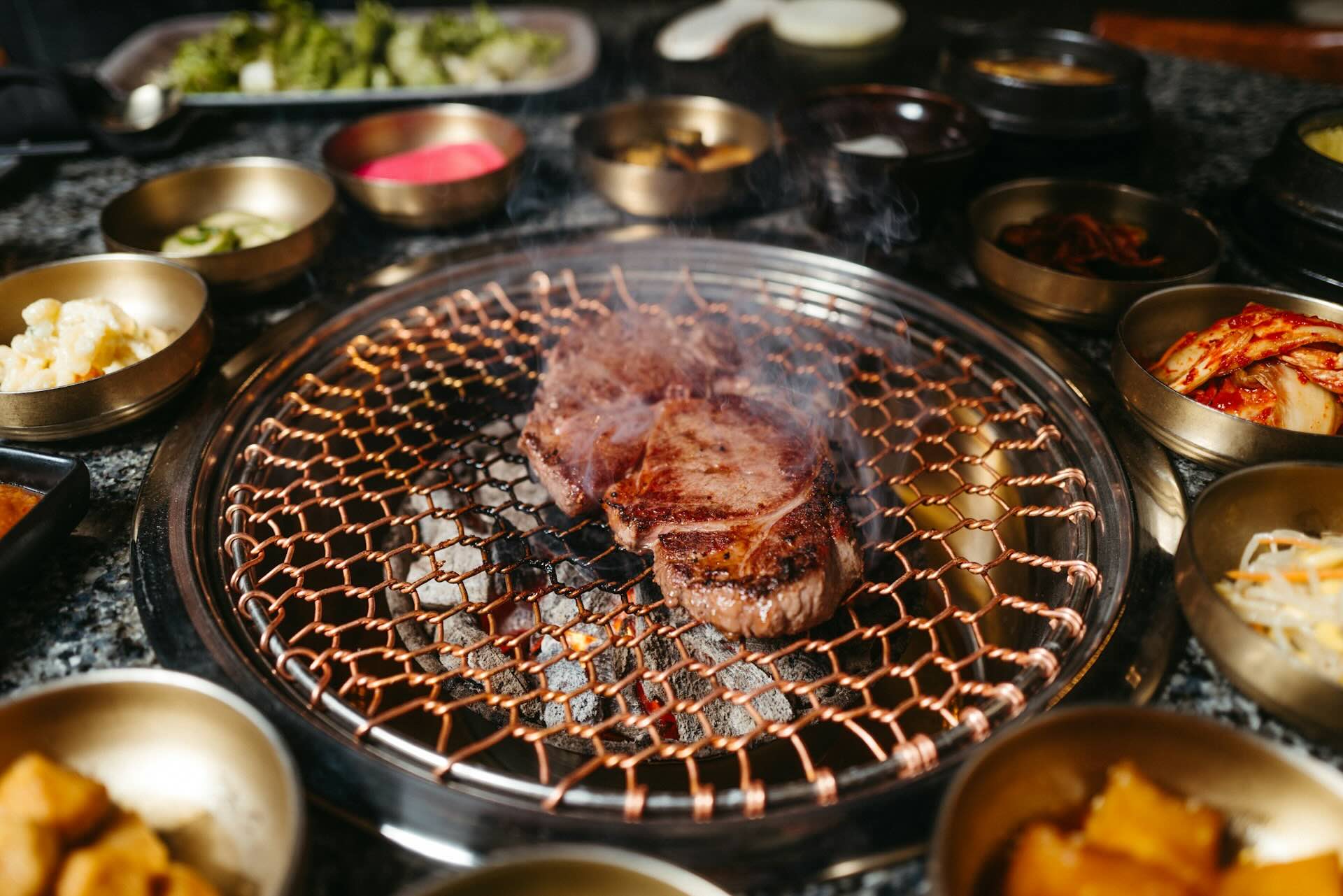
Experience Miami Beach’s vibrant nightlife and culinary scene with exclusive club and restaurant reservations. MAK Vacation can secure top tables and VIP access to the hottest spots, thanks to their insider connections. Whether it’s a romantic dinner or a night out with friends, they’ll help you make the most of your stay.

Premium Helicopter Rentals
For a truly unforgettable experience, MAK Vacation Rentals offers premium helicopter rentals to explore Miami Beach from above. Enjoy stunning skyline views, coastal tours, and iconic landmarks with personalized itineraries and top-tier service.

Water Sports
Discover Miami’s coastline with thrilling water sports by MAK Vacation Rentals. From jet skiing and paddleboarding to parasailing, we offer unforgettable aquatic adventures with expert guides and premium equipment for all skill levels.

Private Chef
Transform your stay with in-home dining prepared by professional chefs using fresh, local ingredients.

Hairstylist
Look good during your Miami stay with on-demand beauty and grooming services delivered to your doorstep.

Concierge Package
A fully customized concierge experience that bundles multiple services into one luxury care plan for your stay.
Property Management
Condo Hotel
Iconic Miami Living
Experience the perfect mix of privacy and resort-style luxury at Miami's most prestigious condo hotels.
Fontainebleau
Experience the vibrant energy of a Miami resort with a lively nightlife, luxury dining, and direct beach access—ideal for relaxation and excitement.

W South Beach
Discover the modern suites of this beachfront haven, known for its stunning architecture and vibrant art scene that blends contemporary design with culture.

One Hotel
Immerse yourself in eco-luxury at this wellness retreat, featuring a rooftop pool with breathtaking views, perfect for relaxation.

Setai
Enjoy the exclusivity of this Asian-inspired luxury resort, famous for its high-profile guests and exceptional service.

Faena
Art Deco architecture blends with a vibrant cultural hub, offering high-end dining options and an immersive design experience that captivates visitors.

501
A strong emphasis on residential living, creating a community-oriented atmosphere with accessible amenities.

Legacy
A cutting-edge luxury development featuring tech-integrated living spaces, strategically located in the heart of downtown.

Nomad
A chic boutique hotel seamlessly merges with residential living, providing an ideal environment for extended stays with personalized services.
Contact
More