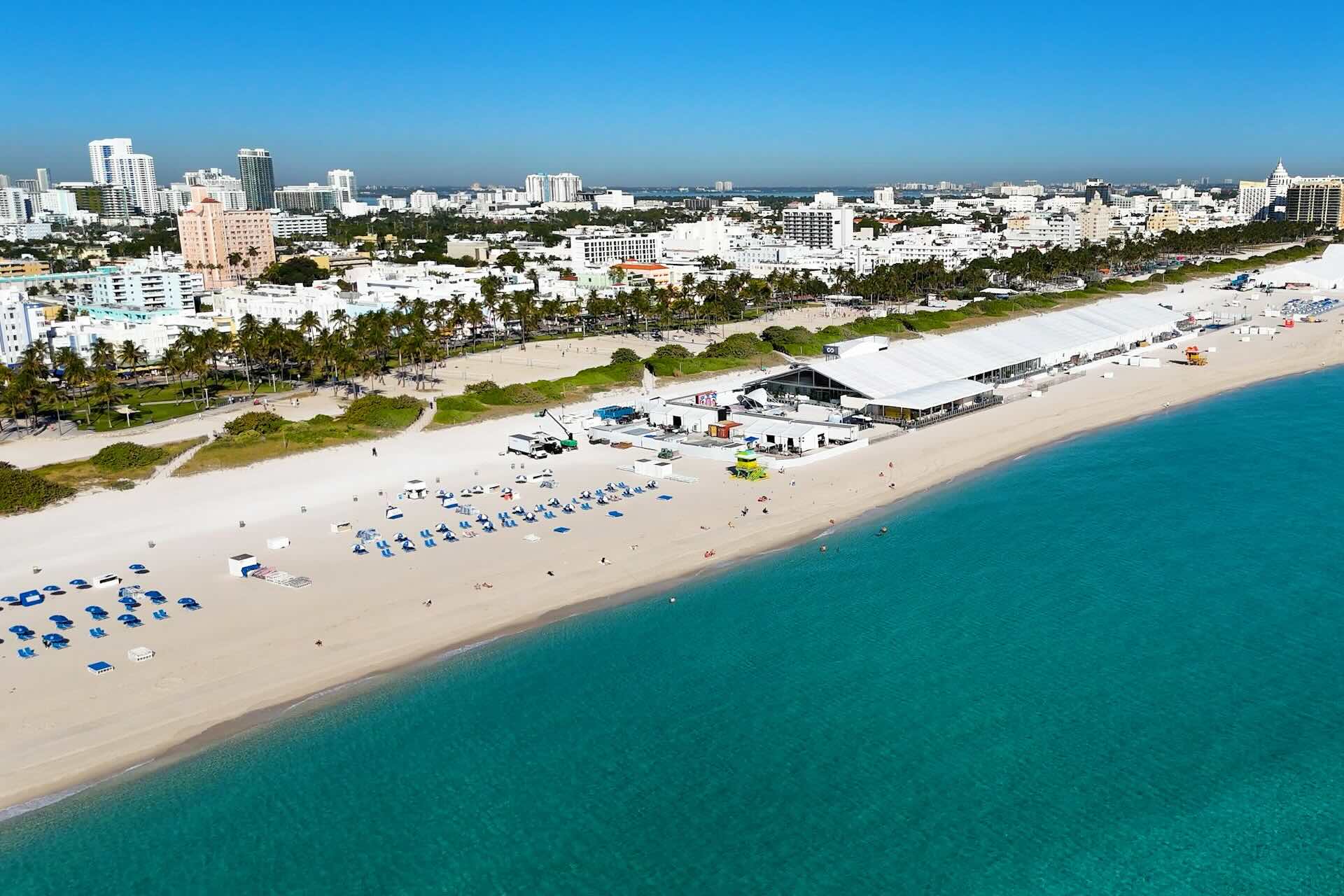
Every winter, travelers debate whether to escape the cold or lean into it. Some head for snowy mountain towns, others choose quiet coastal retreats, and many still find themselves drawn back to Miami. While destinations like Brighton in Utah, McCall in Idaho, Anna Maria Island in Florida, Bay St. Louis in Mississippi, and Hermosa Beach in California each offer charm, Miami continues to stand apart as a winter destination that delivers variety, energy, and consistency.
Travelers staying with MakVacation often choose Miami not because it lacks alternatives, but because it offers more balance. Miami delivers warmth without isolation, relaxation without boredom, and culture without seasonal shutdowns. When compared carefully, Miami remains one of the most complete winter destinations available.
Miami Versus Brighton, Utah
Brighton appeals to winter sports enthusiasts who crave powder, elevation, and alpine scenery. For skiers and snowboarders, it offers a focused experience built around snow and mountain access. However, that focus can also be limiting.
Winter travel to Brighton revolves almost entirely around weather conditions and daylight hours. Dining options narrow in winter, nightlife is minimal, and non ski activities remain limited. For travelers seeking variety beyond slopes, the experience can feel repetitive after a few days.
Miami offers a different approach. Winter temperatures remain warm and consistent, allowing travelers to enjoy beaches, outdoor dining, art districts, and nightlife without weather constraints. You can spend mornings by the ocean, afternoons exploring museums or shopping districts, and evenings dining late without layers or planning around storms.
Miami Versus McCall, Idaho
McCall delivers a picturesque winter setting with snow covered trees, frozen lakes, and a quiet mountain town atmosphere. It appeals to travelers seeking solitude, slower pacing, and natural beauty.
What McCall offers in calm, it lacks in accessibility and diversity. Winter travel often requires careful planning, road condition awareness, and acceptance of limited dining and entertainment options. Once settled, days revolve around outdoor activities or staying indoors.
Miami provides flexibility. Flights are frequent, transportation is easy, and services remain fully operational year round. Restaurants, events, and experiences continue at full scale regardless of season. Travelers do not have to choose between activity and comfort, they can enjoy both daily.
Miami Versus Anna Maria Island, Florida
Anna Maria Island offers a quieter Florida escape with charming beaches, small scale dining, and a strong sense of local community. It works well for travelers who want calm mornings and early evenings.
The tradeoff is limited variety. Dining options remain few, nightlife is minimal, and activities repeat quickly. For longer stays, travelers may feel constrained by the island’s size and slower pace.
Miami delivers coastal beauty with scale. Beaches stretch across multiple neighborhoods, each with its own character. Dining ranges from casual cafés to globally recognized restaurants. Nightlife, culture, and shopping create layers of experience that evolve daily. Travelers who want both beach time and stimulation often find Miami better suited for longer winter stays.
Miami Versus Bay St. Louis, Mississippi
Bay St. Louis appeals to travelers seeking small town charm, Southern hospitality, and affordability. Its waterfront views and relaxed pace attract visitors who want simplicity and space.
Winter in Bay St. Louis can feel quiet to the point of inactivity. Cultural events, nightlife, and dining choices remain limited, and weather can be unpredictable. Travelers often need to drive to find variety.
Miami thrives in winter. Cultural calendars remain full, from art shows to live music, sporting events, and food festivals. Walkable neighborhoods reduce the need for long drives, and the city’s infrastructure supports constant activity without strain.
Miami Versus Hermosa Beach, California
Hermosa Beach offers a laid back surf culture with mild winter temperatures and ocean views. It appeals to travelers who enjoy casual coastal living and outdoor exercise.
However, winter in Southern California still brings cooler evenings, limited swimming comfort, and higher costs for dining and accommodations. Traffic and congestion can also shape the experience.
Miami’s winter warmth allows full beach use, including swimming and water sports. Outdoor dining remains comfortable late into the evening. Compared to Southern California, Miami often delivers more value, more space, and a broader range of experiences within a smaller geographic area.
Why Miami Excels as a Winter Destination
Miami succeeds in winter because it does not rely on a single identity. It blends beach life, international culture, nightlife, wellness, dining, and shopping into one accessible city. Travelers do not need to choose between relaxation and stimulation, they can shift between them effortlessly.
Winter in Miami also feels socially alive. Restaurants stay open late, neighborhoods remain active, and events continue without seasonal pauses. This creates a sense of momentum that many winter destinations lack.
Staying in a luxury vacation rental enhances this experience by offering privacy, comfort, and flexibility. Travelers can host dinners, enjoy quiet mornings, and still step into vibrant city life minutes later.
Dining and Culture Make the Difference
One of Miami’s biggest advantages is its dining scene. Unlike smaller winter destinations, Miami supports constant culinary evolution. International cuisines, local chefs, and seasonal menus keep dining fresh even for repeat visitors.
Cultural offerings also expand in winter. Art exhibitions, performances, and festivals fill the calendar, giving travelers reasons to explore beyond the beach. Neighborhoods like Wynwood, the Design District, and Little Havana remain dynamic throughout the season.
These layers of culture give Miami depth that many winter havens simply cannot replicate.
Accessibility and Ease of Travel
Miami’s global airport access makes it easier to reach than many winter destinations. Direct flights from major cities reduce travel fatigue. Once in the city, transportation options allow visitors to move easily without renting a car if they choose not to.
Weather consistency also removes uncertainty. Travelers do not have to plan around snowstorms, road closures, or seasonal shutdowns. This reliability makes Miami especially appealing for shorter trips or spontaneous travel.
Using TravelPal.ai helps travelers organize winter itineraries, balancing beach days, dining reservations, events, and downtime without over planning.
When Winter Travel Becomes Something More
Many travelers who visit Miami during winter begin to consider longer stays. The city’s balance of climate, culture, and infrastructure supports extended living. Neighborhoods offer walkability, dining access, and lifestyle amenities that feel sustainable beyond vacation mode.
This curiosity often leads travelers to explore Miami real estate options with MakRealty, especially in areas that maintain energy year round without feeling overwhelming.
Final Thoughts
Brighton, McCall, Anna Maria Island, Bay St. Louis, and Hermosa Beach each offer appealing winter experiences, but they serve specific travel preferences. Miami continues to stand apart by offering range. It provides warmth without isolation, activity without pressure, and culture without compromise.
Travelers staying with MakVacation experience Miami as a city that stays fully alive in winter. With planning support from TravelPal.ai and long term perspective through MakRealty, Miami proves again why it remains one of the most compelling winter destinations in the United States.