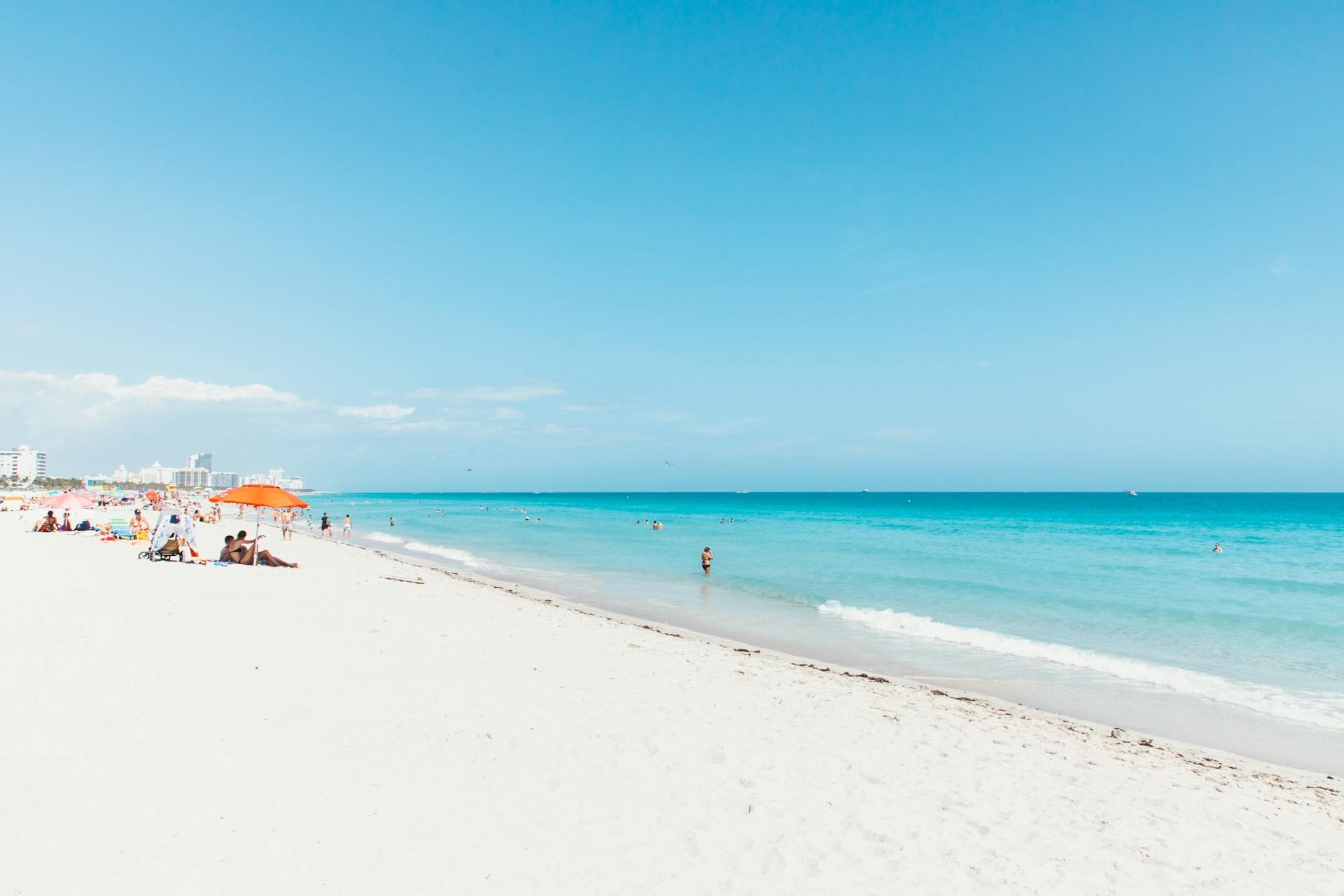
Many beach cities promise escape. Miami offers something more lasting. It does not feel like a place you step into temporarily and then leave behind unchanged. It feels like a city that absorbs you into its rhythm, even on a short visit. That difference is subtle at first, then unmistakable.
Miami feels different because it is not organized around the beach alone. It is organized around daily life that happens to include the ocean. This distinction shapes how time moves, how neighborhoods function, and how travelers experience the city beyond a few postcard moments.
This is why Miami stands apart from other beach cities, even those with great weather and beautiful coastlines.
Miami Is a City Before It Is a Resort
Many beach destinations exist primarily to serve visitors. They swell during peak seasons and quiet down when tourism fades. Miami operates year round with or without tourists.
Business districts remain active. Schools run normally. Restaurants cater to locals as much as visitors. Neighborhoods retain their character regardless of season.
For travelers, this creates authenticity. You are not stepping into a staged environment. You are entering a functioning city.
This is the foundation of why Miami feels different.
Neighborhoods Shape the Experience
Where to stay in Miami. In many beach cities, location matters less than proximity to sand. In Miami, neighborhoods define everything.
South of Fifth feels polished and calm. Mid Beach feels open and spacious. North Beach feels residential and local. Coconut Grove feels green and village like. Brickell feels international and fast moving.
Each area offers a different lifestyle within the same city. Staying in a new neighborhood changes the entire experience without changing destinations.
This internal variety is rare among beach cities.
Walkability Changes How Days Unfold
Miami offers walkable neighborhoods that allow days to develop naturally. Coffee, dining, beaches, and parks sit close together in many areas.
You are not constantly planning transportation. You are moving intuitively.
This reduces urgency. Returning home midday feels easy. Evenings feel optional rather than scheduled.
Walkability shifts focus from maximizing activities to enjoying flow. That alone makes Miami feel less hurried than many beach destinations.
Water Is Integrated Into Daily Life
In many coastal cities, the beach is an attraction you visit once or twice. In Miami, water is part of everyday life.
Morning walks by the ocean. Midday swims. Evening bayfront paths. Water frames the day rather than punctuating it.
This constant access changes perception. Stress softens. Time stretches.
The ocean becomes background rather than spectacle.
Dining Feels Like Living, Not Touring
Miami’s dining culture supports routine rather than rush.
Long lunches feel normal. Early dinners work easily. Neighborhood restaurants thrive because locals eat there regularly.
Dining does not feel like an event you chase. It feels like something you return to.
This rhythm supports repeat visits and longer stays. It also creates familiarity quickly.
In many beach cities, dining options narrow over time. In Miami, they deepen.
International Influence Shapes the City
Miami’s global population influences everything from language to pacing.
You hear multiple languages daily. Cultural references shift by neighborhood. Social rhythms reflect international norms rather than domestic habits.
This global energy keeps Miami evolving. It prevents stagnation.
Other beach cities often feel insular by comparison. Miami feels outward facing.
This openness makes repeat visits feel fresh.
The Climate Encourages a Natural Pace
Miami’s climate shapes behavior without forcing it.
Mornings invite movement. Midday heat encourages rest. Evenings reopen social life.
Travelers who follow this rhythm feel aligned. Those who resist it feel tired.
The city does not reward rushing. It rewards balance.
This climate driven pacing supports slower, more intentional travel.
Space Changes How You Rest
Rest quality affects perception of place.
Miami excels in accommodations that offer light, space, and privacy. Residential style stays allow travelers to recover between outings rather than constantly staying outward facing.
A well chosen luxury vacation rental supports this balance. You can cook occasionally or can sit quietly. You can step outside without committing to a full outing.
This changes how days feel and how long you want to stay.
Where You Stay Shapes Everything
Accommodation choice amplifies Miami’s differences.
Hotels in high energy corridors emphasize stimulation. Residential neighborhoods emphasize ease.
Travelers who want Miami to feel calmer often choose curated stays through MAK Vacation, where properties are selected for livability, privacy, and neighborhood integration.
The stay becomes part of the experience, not just a place to sleep.
Miami Supports Longer Stays Naturally
Many beach cities feel repetitive after a few days. Miami holds up over time.
Routines form easily. Favorite cafes emerge. Walking routes repeat comfortably.
A week feels normal. Two weeks feels natural. A month feels possible.
This longevity is rare among coastal destinations.
The City Allows Selective Engagement
Miami offers nightlife, events, and energy, but it does not impose them.
You can engage deeply one night and withdraw the next without changing locations.
This optionality supports autonomy. You decide how much stimulation enters your day.
Other beach cities often force participation through limited alternatives.
Miami allows choice.
Planning Enhances Rather Than Controls
Miami does not require heavy planning, but thoughtful structure improves the experience.
Clustering activities geographically. Respecting climate rhythm. Choosing the right base.
TravelPal.ai helps travelers plan itineraries that align with how Miami actually works, rather than forcing rigid schedules.
Planning becomes supportive rather than restrictive.
Familiarity Improves the Experience
Miami rewards return visits.
Knowing which neighborhoods fit your pace. Understanding traffic patterns. Recognizing daily rhythms.
Friction decreases. Enjoyment increases.
The city becomes easier, not boring.
This familiarity is why many travelers return repeatedly.
When Visits Turn Into Curiosity
At some point, Miami stops feeling like a destination and starts feeling like a place you could live.
You notice how neighborhoods function beyond tourism. You imagine longer stays.
Some travelers begin exploring ownership or seasonal living.
For those considering that step, MAK Realty provides insight into neighborhoods that balance lifestyle and long term value.
This curiosity often emerges quietly after repeat visits.
Miami Does Not Try to Impress Constantly
Many beach cities feel the need to perform.
Miami does not.
It allows moments of calm, it tolerates downtime and does not demand attention.
This confidence is part of what makes it feel different.
The city trusts you to find your own rhythm.
What You Gain Compared to Other Beach Cities
Walkable daily life
Neighborhood variety
Dining depth
International culture
Space and privacy
Long stay viability
These elements compound rather than fade.
What Other Beach Cities Often Lack
Year round authenticity
Residential integration
Cultural layering
Repeat visit value
Lifestyle flexibility
They may offer beauty, but Miami offers sustainability.
Who Miami Feels Different For
Miami stands out most for travelers who:
Value ease over spectacle
Prefer living to touring
Plan longer or repeat stays
Enjoy cultural variety
Those seeking isolated resort experiences may prefer smaller destinations.
The Bottom Line
Miami feels different from other beach cities because it is built around living, not escaping.
It supports rhythm instead of urgency. Depth instead of novelty. Choice instead of obligation.
When neighborhood, accommodation, and pacing align, Miami becomes a place you do not just visit.
It becomes a place you return to.