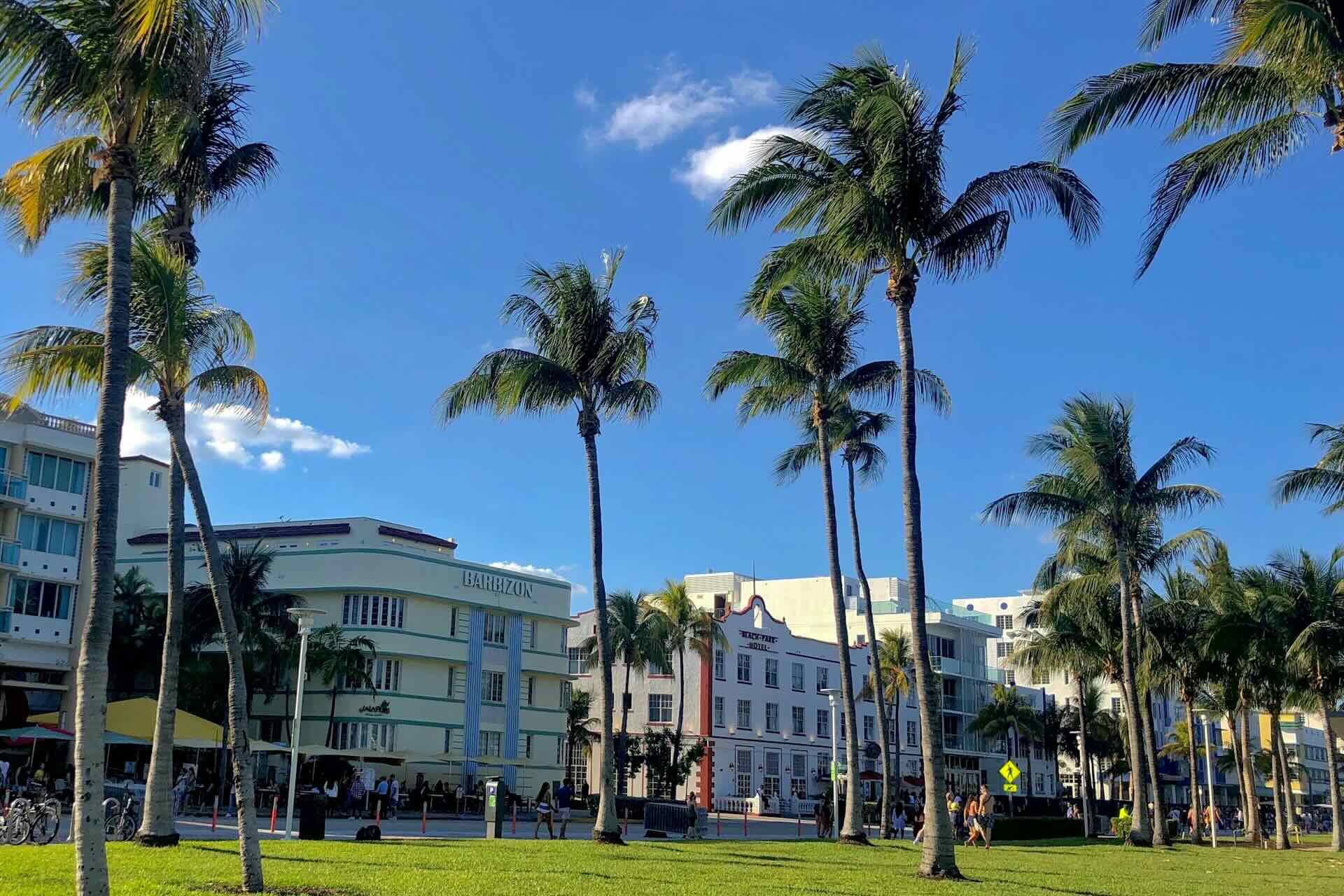
Many U.S. beach cities promise sun, sand, and relaxation. Few deliver a lifestyle that holds up beyond a long weekend. Miami stands apart because it is not built solely around the beach. It is built around daily life that happens to unfold next to the ocean.
What makes Miami different is not just weather or water quality. It is how the city functions. Walkability, culture, dining, and global influence combine to create a beach destination that feels livable rather than seasonal. For travelers who want more than scenery, Miami consistently outperforms most U.S. beach cities.
This is why Miami beats most beach cities in the United States when you look beyond the surface.
Miami Is a Real City First, a Beach City Second
Many beach cities revolve around tourism cycles. Restaurants open and close seasonally. Neighborhoods empty out. Life pauses when visitors leave.
Miami operates year round. Schools, businesses, healthcare, and culture remain active regardless of season. This creates a sense of continuity that most beach destinations lack.
For travelers, this matters immediately. Dining feels authentic. Neighborhoods feel lived in. Service feels consistent rather than rushed.
Miami does not feel like a place built for visitors. It feels like a place visitors can temporarily live.
Walkability Changes the Experience Completely
Walkability is one of Miami’s biggest advantages over other U.S. beach cities.
In areas like South of Fifth, Mid Beach, North Beach, and Coconut Grove, daily life unfolds on foot. Coffee, dining, beaches, parks, and groceries sit within manageable distances.
Many U.S. beach cities require constant driving. Even short outings become logistical exercises.
In Miami, walking replaces planning. This reduces friction and increases presence. Days feel easier. Evenings feel calmer.
This alone changes how a vacation feels from start to finish.
Dining Is Integrated, Not Isolated
In many beach towns, dining exists as a tourist layer. Menus cater broadly. Variety feels limited over time.
Miami’s dining scene functions as part of everyday life. Restaurants reflect the city’s international population. Meals follow global rhythms.
Long lunches feel normal. Early dinners work naturally. Repeat visits are welcomed.
Food in Miami is not an attraction you chase. It is something you live with daily.
This depth becomes especially valuable during longer stays.
Cultural Depth Extends Beyond the Shoreline
Most U.S. beach cities offer scenery first and culture second. Miami reverses that balance.
Art, music, architecture, and language shape daily life. Neighborhoods feel distinct rather than interchangeable.
You can spend a morning at the beach and an afternoon in a gallery, historic district, or quiet marina without changing cities.
This layering keeps Miami interesting over time. It rewards curiosity rather than checklist tourism.
Miami Supports Longer and Repeat Stays
Many beach destinations shine briefly, then lose momentum. After a few days, repetition sets in.
Miami holds up over weeks and months. Routines develop. Favorite cafes emerge. Walking routes repeat comfortably.
Travelers often return to the same neighborhoods because familiarity enhances enjoyment.
This longevity is rare among U.S. beach cities.
The Weather Encourages Daily Living
Miami’s climate supports outdoor living more consistently than most coastal destinations.
Winters are warm and bright. Shoulder seasons feel manageable. Even summer heat follows a predictable rhythm.
Mornings shine. Afternoons slow down. Evenings feel social.
Unlike beach cities where weather limits daily activity, Miami encourages movement and flexibility year round.
Transportation Is Easier Than Expected
Miami’s compact geography surprises many visitors. Beach, dining, and neighborhoods cluster closely.
Ride share works efficiently. Public transit supports certain corridors. Walking covers most daily needs in the right areas.
Compared to beach cities that sprawl along highways, Miami feels contained and accessible.
This reduces time spent moving and increases time spent enjoying.
Accommodations Support Lifestyle, Not Just Sleep
In many beach towns, accommodations serve as places to sleep between outings.
Miami excels in residential style stays that support living. Space, light, balconies, and privacy shape the experience.
A well chosen luxury vacation rental allows travelers to cook occasionally, host guests, and rest properly.
For travelers seeking iconic comfort with space and flexibility, a luxury vacation rental delivers a level of control hotels rarely match.
Miami Balances Energy and Calm
Some beach cities feel sleepy. Others feel chaotic.
Miami manages both energy and calm depending on neighborhood and time of day.
Social scenes exist without dominating the city. Quiet residential areas remain protected.
This balance allows travelers to choose their own rhythm rather than inherit one.
International Influence Keeps Miami Dynamic
Miami’s global population shapes everything from dining to fashion to social pacing.
This international presence keeps the city evolving. Trends arrive early. Ideas circulate quickly.
Other U.S. beach cities often feel insular by comparison.
Miami feels outward facing, which keeps it fresh.
Booking the Right Way Matters
The difference between enjoying Miami and feeling overwhelmed often comes down to where and how you stay.
MAK Vacation curates premium Miami stays designed around walkability, privacy, and livability. Properties are selected to support daily rhythm rather than short term hype.
This approach aligns well with travelers who want Miami to feel easy rather than performative.
For travelers who fall in love with the lifestyle and begin thinking longer term, MAK Realty provides insight into neighborhoods that balance enjoyment with long term value.
Planning Enhances, Not Complicates, Miami
Miami does not require heavy planning, but thoughtful structure improves the experience.
Choosing the right neighborhood, clustering activities geographically, and respecting daily pacing makes a noticeable difference.
TravelPal.ai helps travelers plan itineraries that match how Miami actually works, rather than forcing generic schedules.
Planning becomes supportive rather than restrictive.
What You Gain Choosing Miami Over Other Beach Cities
Walkable neighborhoods
Dining depth and variety
Cultural layering
Year round livability
Flexible accommodations
International energy
These elements compound over time.
What Other Beach Cities Often Lack
Consistency beyond peak season
Neighborhood diversity
Dining depth
Walkable daily life
Long stay viability
They may offer great scenery, but Miami offers a complete lifestyle.
Who Miami Is Best For
Miami works best for travelers who:
Value ease and flexibility
Enjoy dining and culture alongside the beach
Plan longer or repeat stays
Prefer walkable living
Those seeking total isolation may prefer smaller resort destinations.
The Bottom Line
Miami beats most U.S. beach cities because it offers more than a beach.
It offers a way of living that happens to include the ocean.
When neighborhood, accommodation, and pacing align, Miami delivers a beach experience that feels complete, sustainable, and deeply enjoyable.
That is why travelers keep coming back.