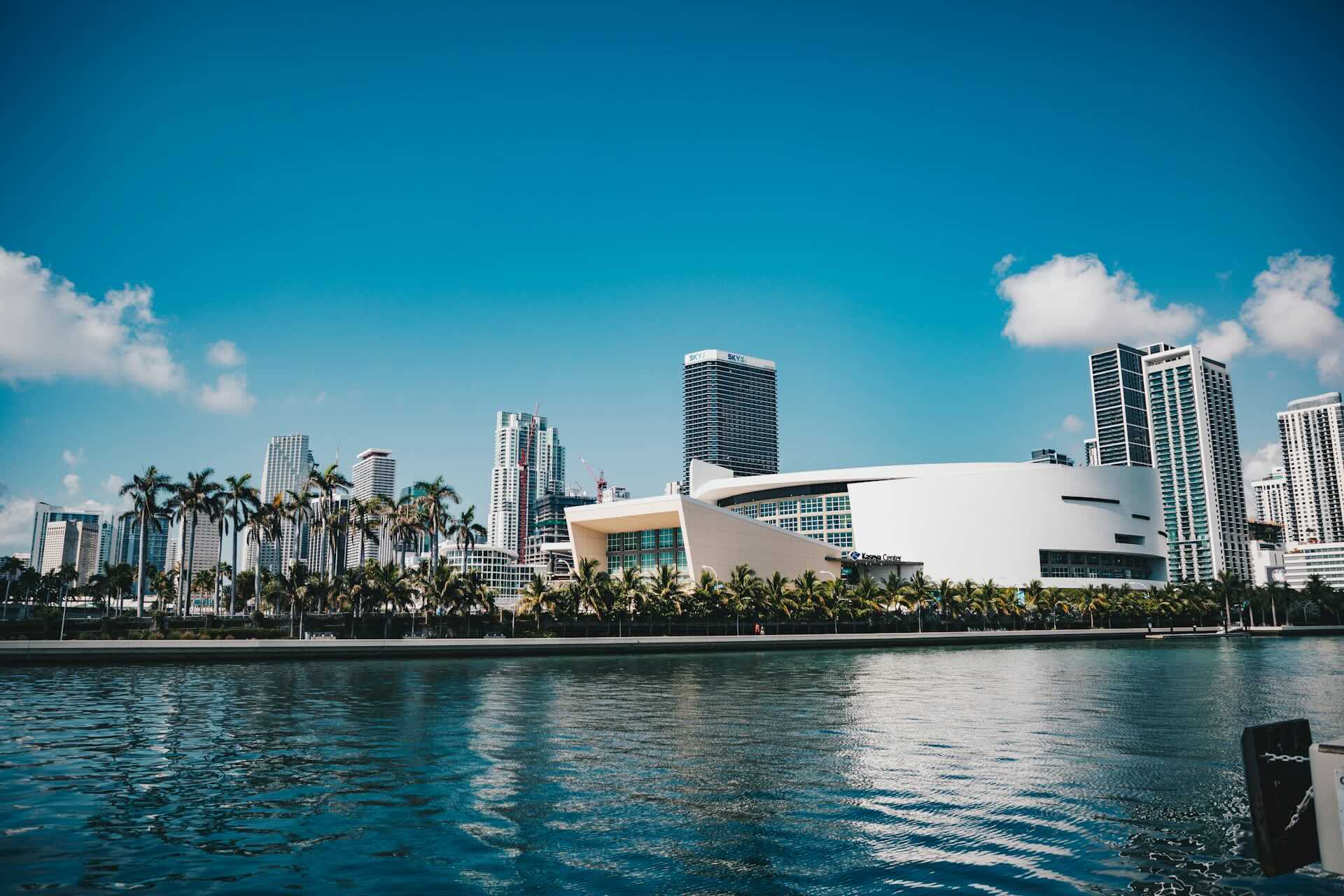
Miami does not feel like an international city because of a single influence. It feels international because no single culture dominates the experience. Languages shift block by block. Architecture changes neighborhood to neighborhood. Dining, music, and social norms layer rather than replace one another. The result is a city that feels global without feeling fragmented.
Unlike cities that adopt international flavor through tourism alone, Miami’s global identity comes from how people live here. Residents bring habits, expectations, and rhythms from around the world, then blend them into daily life. That integration is what gives Miami its distinct, international feel.
This is what actually makes Miami feel like an international city, beyond the clichés.
Language Is a Daily Experience, Not a Novelty
In Miami, multilingual conversation is normal. English and Spanish flow interchangeably. Portuguese, French, and Creole appear naturally in everyday settings.
This is not limited to tourist areas. It happens in cafes, grocery stores, schools, and neighborhoods. People switch languages based on context, not performance.
For visitors, this creates an immediate sense of global presence. You are not watching culture, you are inside it.
Few American cities offer this level of linguistic fluidity in daily life.
Immigration Shaped the City, Not Just the Population
Miami’s international character is rooted in immigration that shaped infrastructure, business, and neighborhoods.
Cuban, Colombian, Venezuelan, Brazilian, Argentine, Haitian, European, and Middle Eastern communities all left visible marks. These influences show up in food, architecture, and social norms.
Neighborhoods feel lived in rather than themed. Cultural identity expresses itself through routine rather than signage.
This depth separates Miami from destinations that feel international only at the surface.
Architecture Reflects Global Influence
Miami’s architecture does not follow a single tradition. Art Deco sits beside modernist towers. Mediterranean villas appear near glass high rises.
Design influence comes from Europe, Latin America, and the Caribbean. Buildings reflect global taste rather than regional uniformity.
This variety changes how the city feels visually. Miami never looks like it belongs to one place alone.
For travelers, this architectural diversity reinforces the sense of being somewhere globally connected.
Dining Feels Borderless
Miami dining does not revolve around fusion. It revolves around authenticity.
Miami restaurants serve cuisine as it exists elsewhere in the world, adapted lightly to local context. Meals feel rooted rather than reinvented.
Dining also follows international rhythms. Long lunches. Late dinners. Social pacing. Conversation matters as much as food.
This dining culture mirrors cities like Madrid, Buenos Aires, and São Paulo more than typical American metros.
For travelers who value food as cultural immersion, Miami feels familiar in a global way.
The Pace Mirrors Global Cities
Miami does not move like a traditional American business city. The pace shifts depending on time of day and neighborhood.
Mornings feel European. Afternoons slow down. Evenings stretch late. Social life matters.
This rhythm mirrors global coastal cities more than domestic urban centers. Productivity exists, but it does not dominate every hour.
Visitors often notice this immediately. Time feels looser. Days feel layered rather than scheduled.
Miami Is a Gateway City by Design
Geographically and economically, Miami functions as a gateway between North America, Latin America, and Europe.
International business, finance, art, and travel flow through the city constantly. This keeps Miami outward facing rather than insular.
Airports, ports, and commerce reinforce this role daily.
The city thinks globally because it must.
Neighborhoods Feel Like Micro Cities
Miami neighborhoods often feel like distinct cities rather than districts.
Brickell feels international and financial. Coconut Grove feels Mediterranean and residential. Miami Beach feels European and coastal. Little Havana feels deeply Latin American.
This fragmentation adds to Miami’s global feel. You move between worlds without leaving the city.
Travelers experience variety without distance.
Fashion, Art, and Design Look Outward
Miami style pulls from global influence rather than national trends. Fashion feels European and Latin American. Art reflects international city voices.
Events like Art Basel amplify this, but the influence exists year round. Galleries, showrooms, and design studios think globally by default.
This outward orientation reinforces Miami’s international city posture.
Why the City Feels Comfortable to Global Travelers
International travelers often feel at ease in Miami because cultural cues feel familiar. Dining customs. Social pacing. Language flexibility.
The city does not require adaptation in the same way other American cities do.
This comfort contributes to repeat visits and longer stays.
Staying in Miami Feels Like Living Abroad, Lightly
One reason Miami appeals to international travelers is that it offers the feeling of living abroad without full separation.
You get global culture, coastal living, and social rhythm while maintaining modern infrastructure and ease.
Travelers seeking this balance often choose MAK Vacation for premium stays that support lifestyle rather than tourism. Residences emphasize space, privacy, and neighborhood integration rather than transient volume.
This approach allows visitors to live inside the city rather than orbit it.
When International Exposure Turns Into Attachment
Many visitors return to Miami because it feels globally familiar yet accessible. Over time, favorite neighborhoods emerge. Routines form.
Some begin considering longer stays or ownership because the city aligns with how they prefer to live.
For those exploring that step, MAK Realty offers insight into neighborhoods that balance international character with long term value.
Miami often becomes more than a destination.
Planning Helps You Experience the Layers
Miami’s global character reveals itself best when movement feels intentional. Jumping randomly between areas hides nuance.
TravelPal.ai helps travelers plan itineraries that respect neighborhood identity and pacing. This allows cultural layers to surface naturally.
Planning becomes a way to see more by doing less.
The International Feeling Is Subtle but Persistent
Miami does not announce its internationalism. It lives it.
Language, food, pace, architecture, and social rhythm combine quietly. The result feels natural rather than curated.
You notice it when you stop trying to consume the city and start moving through it.
Why Miami Feels Different From Other American Cities
Miami’s international character is not decorative. It is structural.
The city was built by people arriving from elsewhere and continues to evolve the same way.
That constant global exchange keeps Miami fluid, adaptive, and outward facing.
Few American cities operate this way.
The Bottom Line
Miami feels international because it functions internationally. Culture is not an accessory. It is infrastructure.
For travelers who value global influence, social rhythm, and layered identity, Miami delivers something rare in the United States.
It offers a sense of being elsewhere without leaving home.