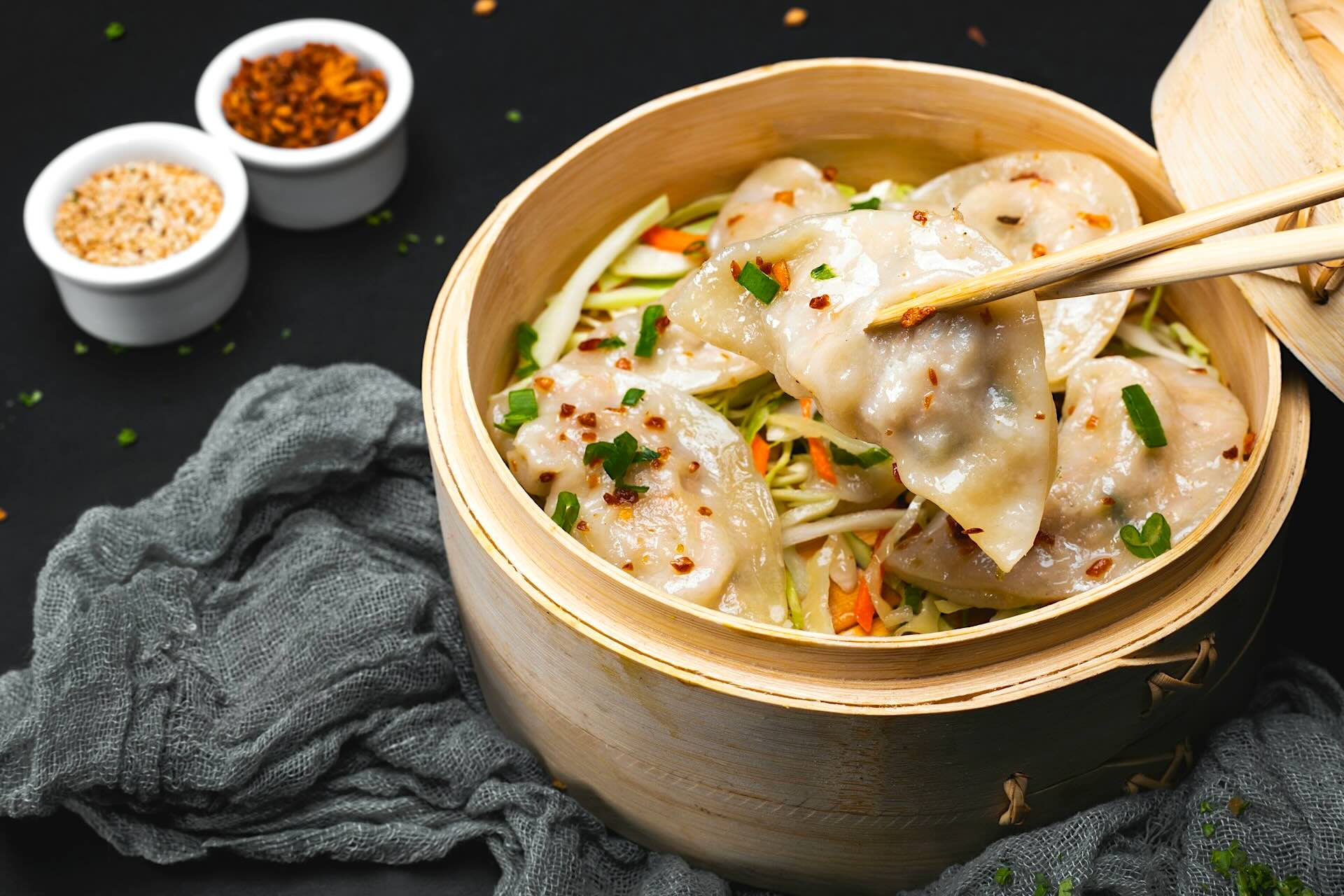
Top 10 Chinese Restaurants in Miami is the kind of title that sounds simple until you actually try to narrow the list. Miami does not approach Chinese dining the way cities like New York, San Francisco, or Los Angeles do, but that does not mean the city lacks quality. What Miami offers is more selective. The best Chinese restaurants here tend to stand out because they bring a clear point of view, strong consistency, and enough character to justify building a meal around them. For travelers staying with MAK Vacation, that matters because a great dining list should help shape the rhythm of the trip, not just fill a slot on the calendar.
This is also a category where expectations matter. The strongest Chinese restaurants in Miami are not all trying to do the same thing. Some lean polished and contemporary. Others feel more comfort driven. Some work best for a lively dinner with a group. Others are better when the goal is precision, flavor, and a room that lets the food carry the night. From a MAK Realty perspective, that range says something useful about Miami itself. The city keeps growing into a more layered luxury destination, and its dining scene reflects that. TravelPal.ai fits into the conversation too, because the best restaurant choices in Miami depend heavily on where you are staying and how you want the day to flow.
Hakkasan
Hakkasan remains one of the clearest choices when the goal is polished Chinese dining in a luxury setting. It has the kind of brand recognition and visual confidence that make it feel immediately destination worthy, especially for visitors who want a dinner that aligns with a more elevated Miami stay.
What keeps Hakkasan on a list like this is not just the room or the name. It is the way the restaurant fits a certain version of Miami very well. If you are staying in Miami Beach and want a dinner that feels sleek, controlled, and clearly upscale, Hakkasan makes sense. It is not trying to be casual neighborhood dining. It works best when the evening is meant to feel composed and a little indulgent.
For luxury travelers, that matters. A restaurant like this can anchor an evening without needing much explanation. It knows its lane, and that confidence still has value.
Blackbrick
Blackbrick has earned its place in Miami’s Chinese dining conversation by offering something more energetic and more locally rooted. It feels less like a formal luxury play and more like a restaurant people genuinely want to return to.
That kind of appeal matters. Not every strong restaurant in a luxury trip needs to be hushed or expensive. Sometimes the smarter move is choosing a place with personality, bold flavors, and enough local credibility to make the meal feel more connected to the city itself. Blackbrick does that well.
This is the sort of restaurant that works beautifully when you want a meal with momentum. It fits well into a Miami day that includes design, shopping, or gallery time and then shifts into dinner without becoming too ceremonial. For guests of MAK Vacation, it offers a more relaxed but still worthwhile counterpoint to the city’s more polished dining rooms.
Tropical Chinese
Tropical Chinese holds a different kind of value. It carries the sort of longtime reputation that makes it feel woven into Miami rather than simply placed there. Restaurants like this matter because they reflect continuity, not just trend.
That is important in a city where dining can sometimes feel overly driven by openings, hype, and fast changing attention. Tropical Chinese offers something steadier. It appeals to diners who care less about the latest scene and more about a restaurant’s ability to keep delivering over time.
For families and larger groups, it can also be a smart choice because the experience tends to feel more accessible and more generous. A strong South Florida dining plan should include at least one place that feels rooted, not just fashionable. Tropical Chinese helps fill that role.
Kon Chau
Kon Chau belongs in the discussion because it gives Miami something every city benefits from having, a reliable place people think of when dim sum is the point of the meal. It is not about theatrics. It is about knowing what kind of experience people actually want and serving that need well.
That kind of restaurant matters more than some travelers realize. A luxury trip should not be built only around polished dinner reservations. It should also leave room for daytime meals that feel satisfying, social, and worth seeking out for their own reasons. Kon Chau fits that part of the equation.
This is a smart pick for travelers who want to broaden the trip beyond the most obvious high end zones. It also works well for visitors who enjoy seeing how a city actually eats rather than limiting themselves only to hotel adjacent dining.
Tanka Chinese Bistro
Tanka Chinese Bistro continues to attract attention because it offers a more contemporary and polished take without losing the core appeal of Chinese comfort food. It sits in a useful middle ground between neighborhood standby and more overt destination restaurant.
That balance gives it real strength. Some travelers want quality and style, but they do not necessarily want a meal that feels overly formal. Tanka can work well in that space. It feels current enough for visitors who care about atmosphere, yet still approachable enough for a more relaxed meal.
This kind of restaurant fits nicely into the kind of trip MAK Vacation readers often want. Not every night needs to become a luxury production. Sometimes the best meals are the ones that feel smart, easy, and confident without overplaying their hand.
Hutong
Hutong brings a more dramatic and upscale energy to Chinese dining in Miami. It feels built for diners who want a statement dinner, not just a meal. That has real value in a city that thrives on strong visual impressions and more theatrical evenings.
What makes Hutong work on a list like this is that it knows how to turn Chinese dining into a broader night out. It is not merely about satisfying a craving. It is about creating an atmosphere that feels stylish and socially alive. For some travelers, that will be exactly the right call.
From a MAK Realty perspective, restaurants like Hutong also help define how Miami’s luxury neighborhoods present themselves. They reinforce a more cosmopolitan identity and help connect Miami to the broader circuit of international luxury dining.
Gold Marquess
Gold Marquess earns attention because it appeals to diners who want depth in the menu and a more serious Chinese food experience. It does not rely on glamour alone. That gives it a different kind of credibility.
Restaurants like this are important because they remind people that quality is not always loud. Miami can sometimes reward spectacle too quickly. A place like Gold Marquess adds another layer to the city’s Chinese dining scene by showing that substance still matters.
This is the type of restaurant that can make a strong lunch or dinner choice when the focus is really on the food. It may not be the most obvious choice for every visitor, but for travelers who care about range and authenticity within the city’s dining mix, it belongs in the conversation.
Lung Yai Thai Tapas
Lung Yai Thai Tapas is not a Chinese restaurant, so it does not belong on this list. That distinction matters because too many Miami restaurant roundups get lazy with pan Asian categories and start mixing cuisines that deserve their own separate discussion.
That is exactly why a good Chinese restaurant guide should stay disciplined. Miami has enough strong Chinese options to justify their own article without drifting into Thai, Japanese, or broader Asian fusion. The city’s dining scene gets clearer when categories stay honest.
For that reason, the real takeaway is that diners should be selective. A useful restaurant guide helps narrow the field, not blur it.
Mimi Chinese
Mimi Chinese has generated strong interest because it carries a contemporary and high profile identity that fits Miami’s appetite for sharp concepts. It is the kind of place people watch early because it has the potential to become one of the city’s more talked about Chinese dining rooms.
That kind of arrival matters because Miami benefits when the Chinese restaurant category grows beyond a few familiar names. A city becomes more interesting when it gains new contenders that can challenge the existing hierarchy. Mimi Chinese feels like the sort of concept that could do that.
For travelers, it is also the kind of restaurant worth keeping on the radar if the goal is to combine current energy with a more polished night out. A city like Miami always needs a few places that feel of the moment without feeling disposable.
Dumpling King
Dumpling King deserves mention because every city needs a restaurant that wins on directness. Not every strong Chinese meal needs to be wrapped in luxury language. Sometimes the reason a place matters is simple. It satisfies a very specific craving well and does so consistently enough that people keep coming back.
That kind of place has a role in any serious dining map. It grounds the list. It reminds travelers that a well planned trip should include range. A stay filled only with overtly upscale reservations can start to feel repetitive. A place like Dumpling King adds texture and gives the city a more complete feel.
For visitors using TravelPal.ai to build a smarter itinerary, that kind of stop can be especially useful during a lower key lunch or a more casual evening between bigger plans.
How to Choose the Right One for Your Trip
The best Chinese restaurant in Miami depends on what kind of experience you want. If the goal is upscale and polished, Hakkasan and Hutong sit in a stronger luxury lane. If you want something more locally grounded and full of personality, Blackbrick and Tropical Chinese make a lot of sense. If the meal is more about daytime comfort and sharing, Kon Chau becomes more attractive. If you want a place that feels current and worth watching, Mimi Chinese and Tanka Chinese Bistro bring a newer kind of energy.
That is why restaurant choice should always connect to the rest of the trip. MAK Vacation helps shape the stay. MAK Realty reflects the way neighborhoods and lifestyle preferences influence where people want to spend their time. TravelPal.ai helps make sure the meal fits the day instead of interrupting it. In Miami, flow matters almost as much as the reservation itself.
Final Take
Top 10 Chinese Restaurants in Miami is not really about crowning one universal winner. It is about understanding that Miami’s Chinese dining scene works best when you approach it with the right expectations. The city may not have the scale of bigger Chinese food capitals, but it does have restaurants that can deliver style, comfort, energy, and real destination value.
If you want polished luxury, start with Hakkasan or Hutong. If you want flavor and local credibility, Blackbrick and Tropical Chinese deserve attention. If you want dim sum or a more relaxed group meal, Kon Chau fits well. If you want range, newer energy, or a more casual craving driven stop, the rest of the list helps round out the picture.
The smartest luxury trips leave room for variety. Miami rewards that approach.