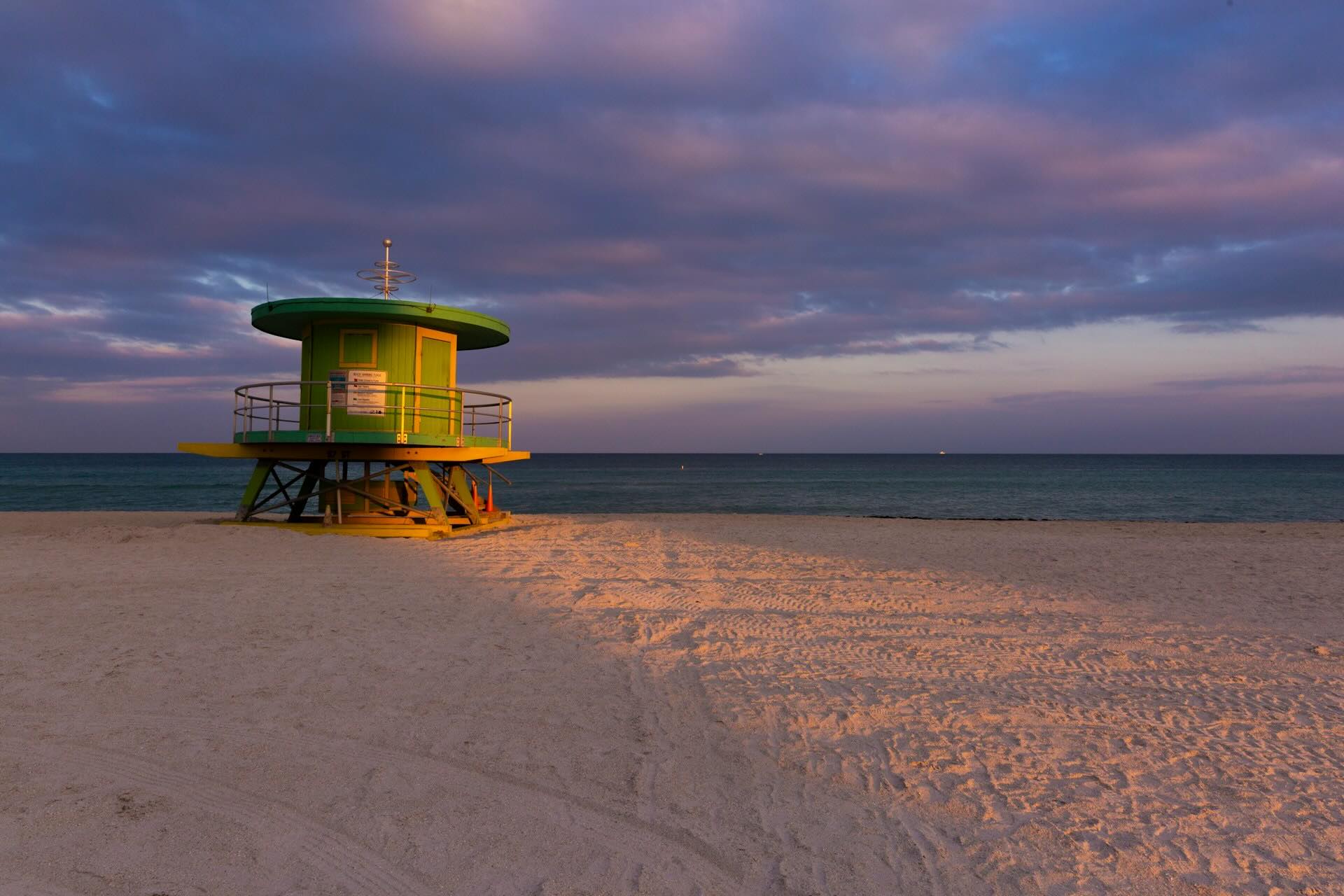
Miami is known for warmth, energy, and a vibrant coastal lifestyle, but it is also becoming a leading destination for travelers who want to vacation responsibly. The city’s beaches, parks, waterways, and marine ecosystems make sustainability an important part of the visitor experience. As more travelers prioritize eco friendly habits, Miami continues to introduce greener transportation options, earth conscious dining, local conservation programs, and responsible ways to enjoy its natural surroundings. Many visitors begin their planning through MakVacation, where curated accommodations help guests stay comfortably while making mindful choices throughout their trip.
Sustainable travel does not mean sacrificing comfort or convenience. In a city like Miami, it enhances the experience. With thoughtful planning, travelers can enjoy the city’s cultural attractions, beaches, and neighborhoods while reducing their environmental impact. Miami’s growing commitment to sustainability makes it easier than ever to combine luxury travel with conscious living.
Choosing Eco Friendly Places to Stay
Where you stay plays a major role in your environmental footprint. Eco friendly accommodations often provide energy efficient appliances, water saving systems, improved insulation, and green operating practices. Many Miami rentals also encourage recycling, offer filtered water stations, and reduce single use plastics wherever possible.
Travelers who prefer a refined space often start with a luxury vacation rental, where private kitchens help reduce disposable food packaging and small group stays limit waste. Staying in a well positioned rental also reduces transportation distance, making it easier to explore neighborhoods on foot or by bike.
Another benefit of choosing eco conscious accommodations is the support they provide to local communities. Miami’s small businesses, cultural venues, and neighborhood restaurants appreciate travelers who stay nearby, creating a more authentic connection to the city.
Using Greener Transportation Throughout the City
Sustainable travel is easier when the city offers eco friendly ways to get around. Miami has expanded bike lanes, improved pedestrian paths, and increased access to scooters and e-bikes. These options give visitors cleaner alternatives to rental cars or constant rideshares.
E-bikes are becoming especially popular because they make it easy to travel long distances with minimal effort. You can ride from South Beach to Brickell, cross the Venetian Causeway, or explore Wynwood without contributing to traffic or emissions. Travelers can also use Miami’s free trolley system for short trips between neighborhoods.
Walking remains one of the most enjoyable ways to experience Miami. Areas like Coconut Grove, Wynwood, and Miami Beach offer pedestrian friendly districts with shops, cafes, and waterfront paths. Exploring on foot provides a deeper connection to the city and reduces your carbon impact throughout the trip.
Dining at Sustainable and Local Restaurants
Miami’s culinary scene continues to evolve with restaurants focused on local sourcing, clean ingredients, and environmentally responsible practices. Many chefs prioritize fresh seafood from sustainable fisheries, organic produce from local farms, and menus that minimize waste.
Visitors can find eco conscious dining in every neighborhood, including vegan and vegetarian options, zero waste cafes, and farm to table restaurants that highlight Florida’s seasonal ingredients. Choosing restaurants that support local suppliers also helps reduce transportation emissions tied to long distance food delivery.
Dining responsibly does not take away from the Miami experience. It often improves it. Travelers enjoy fresher meals, unique flavors, and meaningful connections to the region’s culture.
Supporting Local Conservation Efforts
Miami offers many opportunities to participate in or support conservation programs during your visit. Beach cleanups take place across the coastline and are open to volunteers of all ages. These gatherings help protect marine life and keep Miami’s beaches beautiful for future visitors.
The city also has organizations dedicated to preserving coral reefs, restoring mangrove forests, and protecting local wildlife. Visitors can donate, volunteer, or join educational programs that deepen their understanding of Miami’s ecosystem.
Exploring places like Biscayne National Park or Oleta River State Park also supports the preservation of Florida’s natural landscapes. These outdoor experiences help travelers appreciate the importance of sustainability while enjoying scenic beauty.
Reducing Waste During Your Miami Stay
Simple adjustments can dramatically reduce your environmental footprint. Carrying a reusable water bottle reduces the need for plastic. Bringing a tote bag helps eliminate disposable shopping bags. Travelers can also choose reef safe sunscreen, which protects marine life when swimming or snorkeling.
Avoiding single use items wherever possible helps keep beaches clean and protects wildlife from harmful materials. Many businesses across Miami are shifting toward compostable packaging and recyclable materials, making it easier for visitors to participate in waste reduction.
If you are staying in a rental with a kitchen, buying fresh groceries allows you to reduce food packaging, avoid excess waste, and support local markets that prioritize sustainability.
Exploring Miami’s Natural Areas Mindfully
Miami’s coastal parks, waterways, and nature preserves offer endless opportunities for low impact adventure. Visitors can kayak through mangrove trails, paddleboard in calm bays, or cycle through shaded park paths. These activities connect travelers to the natural environment without relying on fuel powered experiences.
Outdoor activities also encourage deeper appreciation for Miami’s ecosystems. Many travelers enjoy exploring Crandon Park, Key Biscayne’s shoreline, the Miami Beach boardwalk, or the trails of Virginia Key. These spaces highlight the natural beauty that sustainable travel aims to protect.
Eco friendly tours are also gaining popularity. Travelers can join guided kayak trips, wildlife viewing tours, or educational excursions that promote conservation while offering memorable experiences.
Planning Efficient Itineraries to Reduce Travel Footprint
Trip planning plays an important role in sustainable travel. Clustering activities by neighborhood reduces travel time and energy consumption. Avoiding unnecessary backtracking makes your days more efficient and enjoyable.
Using tools like TravelPal.ai helps travelers organize schedules that minimize transit while maximizing time spent in each part of the city. This approach reduces environmental impact and simplifies your trip, allowing you to enjoy more attractions in a streamlined, organized way.
Planning ahead also ensures that you choose experiences aligned with your values. Whether you want outdoor activities, cultural stops, dining, or relaxation, thoughtful itinerary design supports both sustainability and convenience.
When Sustainable Travel Leads to Long Term Connections
Visitors who prioritize sustainability often feel a closer connection to the places they explore. In Miami, this sense of connection can inspire long term interest in the city’s neighborhoods, lifestyle, and natural environment. Some travelers begin to consider the idea of owning a home or seasonal residence as they deepen their relationship with Miami’s culture and outdoor beauty.
For those exploring this possibility, MakRealty provides guidance on neighborhoods that offer green spaces, walkability, waterfront access, and community focused living. Sustainable travel sometimes becomes the first step toward a longer commitment to the city.
Final Thoughts
Sustainable travel in Miami enhances the experience, allowing visitors to enjoy the city’s beauty while making responsible choices. By choosing eco friendly accommodations, exploring the city through cleaner transportation, supporting local businesses, and participating in conservation efforts, travelers help protect Miami for future generations.
The city continues to grow its sustainable offerings and encourages visitors to explore thoughtfully. With refined stays from MakVacation, neighborhood insights from MakRealty, and organized trip planning through TravelPal.ai, it becomes easier than ever to enjoy Miami in a way that aligns with both luxury and responsibility.