New Miami and Fort Lauderdale Routes After Spirit Airlines is really a story about how quickly the market reacts when a major low cost carrier disappears. Spirit had a strong identity in South Florida, especially through Fort Lauderdale, so its shutdown immediately created gaps in routes that many leisure travelers, families, and international visitors actually used. What followed was not a quiet adjustment. Other airlines moved in quickly because the demand never disappeared. Only the airline did.
That is what makes this topic useful for travelers. The most important question after a shutdown is not just what was lost. It is what came back, what got replaced, and which new nonstop options now make South Florida easier to reach again. For MAK Vacation, that matters because air access shapes how smooth a Miami stay feels before the trip even begins. For MAK Realty, it also says something about which feeder markets continue to matter for South Florida over time. TravelPal.ai fits naturally here too, because cleaner nonstop access usually leads to a better overall trip structure.
Fort Lauderdale Became the Main Replacement Zone
Fort Lauderdale was always going to be the first airport to watch. Spirit had a major presence there, and once that network disappeared, the airport became the clearest place for competitors to step in. That is exactly what happened.
Rather than leaving those markets open for long, airlines began adding nonstop service into city pairs that still had strong leisure demand, visiting family demand, and broader South Florida travel demand. That is why Fort Lauderdale is at the center of the conversation. It remains one of the most useful gateways into the Miami area, and airlines clearly understood that when Spirit exited.
For travelers, this is significant because Fort Lauderdale can often serve the same broader South Florida trip just as well as Miami International, depending on where you are staying and how the trip is structured.
JetBlue Made Some of the Most Noticeable Moves
JetBlue was one of the clearest winners in the reshuffling. Instead of simply adjusting around the edges, it moved into several routes that stood out immediately.
Among the more notable Fort Lauderdale additions are Charlotte, Baltimore, Columbus, Indianapolis, Barranquilla, and Cali. That is a meaningful mix because it covers both domestic and Latin American demand, which reflects the real diversity of South Florida travel patterns. These are not random cities. They are markets that support family travel, beach travel, event travel, and repeat leisure demand.
That matters because it shows the replacement process was strategic. Airlines were not just filling space. They were targeting routes they believed would continue to perform.
Domestic Routes Are Some of the Most Important
The domestic additions may be the most useful for the broadest group of travelers. Cities like Charlotte, Baltimore, Columbus, Indianapolis, Nashville, Detroit, Houston, and Chicago stand out because they reinforce South Florida’s reach across multiple major and secondary markets.
This matters for two reasons. First, nonstop convenience keeps Miami and Fort Lauderdale competitive for shorter stays. Second, it preserves South Florida’s appeal as an easy getaway rather than a destination that suddenly requires more connections and more friction.
For MAK Vacation, that is especially relevant. Travelers are more likely to choose a luxury Miami or South Florida stay when the trip feels clean from the beginning. A nonstop route can do more for the overall experience than people sometimes realize.
Latin American Routes Matter More Than They Look
The additions are not only about domestic leisure. Barranquilla and Cali stand out because they reinforce South Florida’s long standing role as a bridge to Latin America.
That is important because Spirit’s shutdown did not only affect price sensitive vacation travelers. It also affected routes that serve family ties, business movement, and cultural links across the region. When airlines move back into those lanes, they are protecting more than a route map. They are preserving South Florida’s role as a major international gateway.
For Miami and Fort Lauderdale, that kind of connectivity supports the region’s deeper identity. It helps keep the area linked not only to U.S. demand, but to broader hemispheric travel patterns as well.
Frontier Naturally Became More Relevant
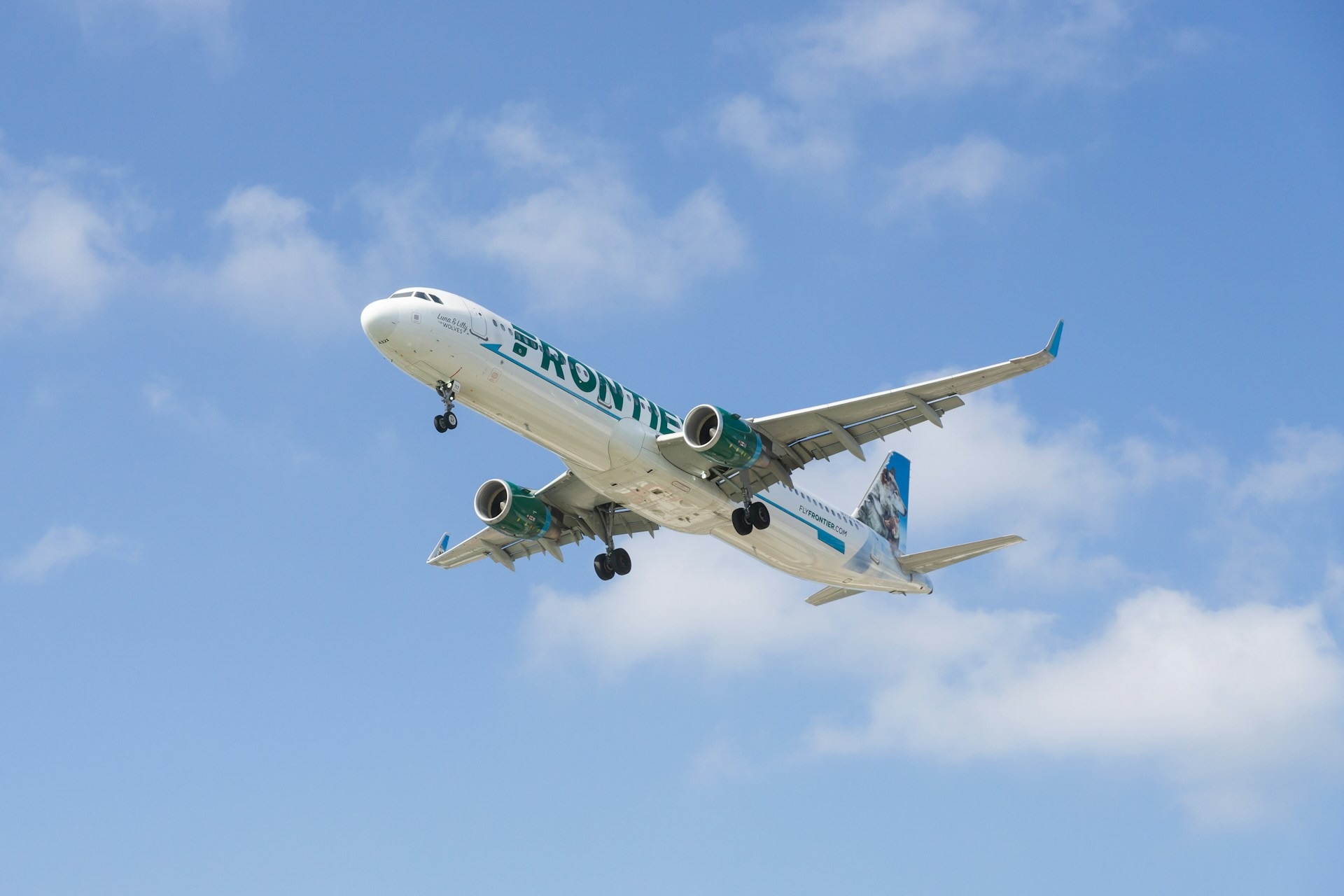
Frontier was always likely to matter more after Spirit disappeared. The overlap in customer base and pricing strategy made that almost inevitable. Travelers looking for a lower fare model were always going to turn their attention there, and Frontier was always going to see opportunity in routes Spirit once helped define.
That does not mean every former Spirit route will return in the same form. It does mean that Frontier is well positioned to inherit part of the demand, especially where price sensitivity remains high and nonstop convenience still matters.
For travelers, this means the low cost travel conversation in Florida did not end with Spirit. It simply shifted. That is an important distinction.
New Florida Connections Are Also Emerging
Some of the more interesting route developments show that airlines are not only replacing old routes one for one. They are also building new Florida connections where they see opportunity. That is part of what makes the post Spirit landscape more interesting than a simple recovery story.
A good example is the way airlines are rethinking Florida and Caribbean access together. Instead of only rebuilding what existed before, some carriers are creating new nonstop options that still capture part of the same leisure demand from a different angle. That means the route map is not just being repaired. It is being reimagined.
This is useful for travelers because the best new route may not always be the exact route that was lost. Sometimes the smarter option arrives in a slightly different form.
What This Means for Miami Travelers
Even when the new service is centered on Fort Lauderdale rather than Miami International, it still matters for Miami. The two airports often serve the same broader travel market, especially for visitors staying in Miami Beach, Downtown, Brickell, or northern parts of the city.
That gives travelers more flexibility than they sometimes realize. A nonstop into Fort Lauderdale may still produce a smoother trip overall than a connecting flight into Miami, depending on timing, fares, and the exact location of the stay. This is where good travel planning starts to matter.
For MAK Vacation, that flexibility can be a real advantage. The best airport is not always the most famous one. It is the one that makes the stay easier.
Why This Matters Beyond Flights
Route additions matter because they reveal where airline confidence still exists. When a major carrier shuts down, airlines do not rush in unless they believe the demand is real. The faster they move, the stronger the signal.
That is what makes these new routes meaningful. They suggest that South Florida remains too important to leave underserved for long. Travelers still want beach access, cruise access, family access, Caribbean access, and a clean entry into Miami and Fort Lauderdale. Airlines know that, and the route map is already adjusting around it.
For MAK Realty, this matters too. Airlift is one more measure of a region’s pull. Strong inbound access supports not just tourism, but longer term seasonal and lifestyle interest as well.
Final Take
New Miami and Fort Lauderdale Routes After Spirit show that South Florida demand did not collapse when Spirit did. The market moved quickly because the region still matters too much to leave disconnected. Fort Lauderdale became the main battleground, with notable additions including Charlotte, Baltimore, Columbus, Indianapolis, Barranquilla, Cali, Nashville, Detroit, Houston, Chicago, and other important routes that help keep the region highly accessible.
The bigger takeaway is simple. Spirit may be gone, but the demand it served is still very much alive. Airlines are now competing to absorb it, and travelers are already benefiting from the reshaped map.
MAK Vacation benefits when Miami and South Florida remain easy to reach. MAK Realty benefits from a region that continues to attract strong inbound attention. TravelPal.ai becomes even more useful when the new route map creates better ways to build a smoother trip from the beginning.