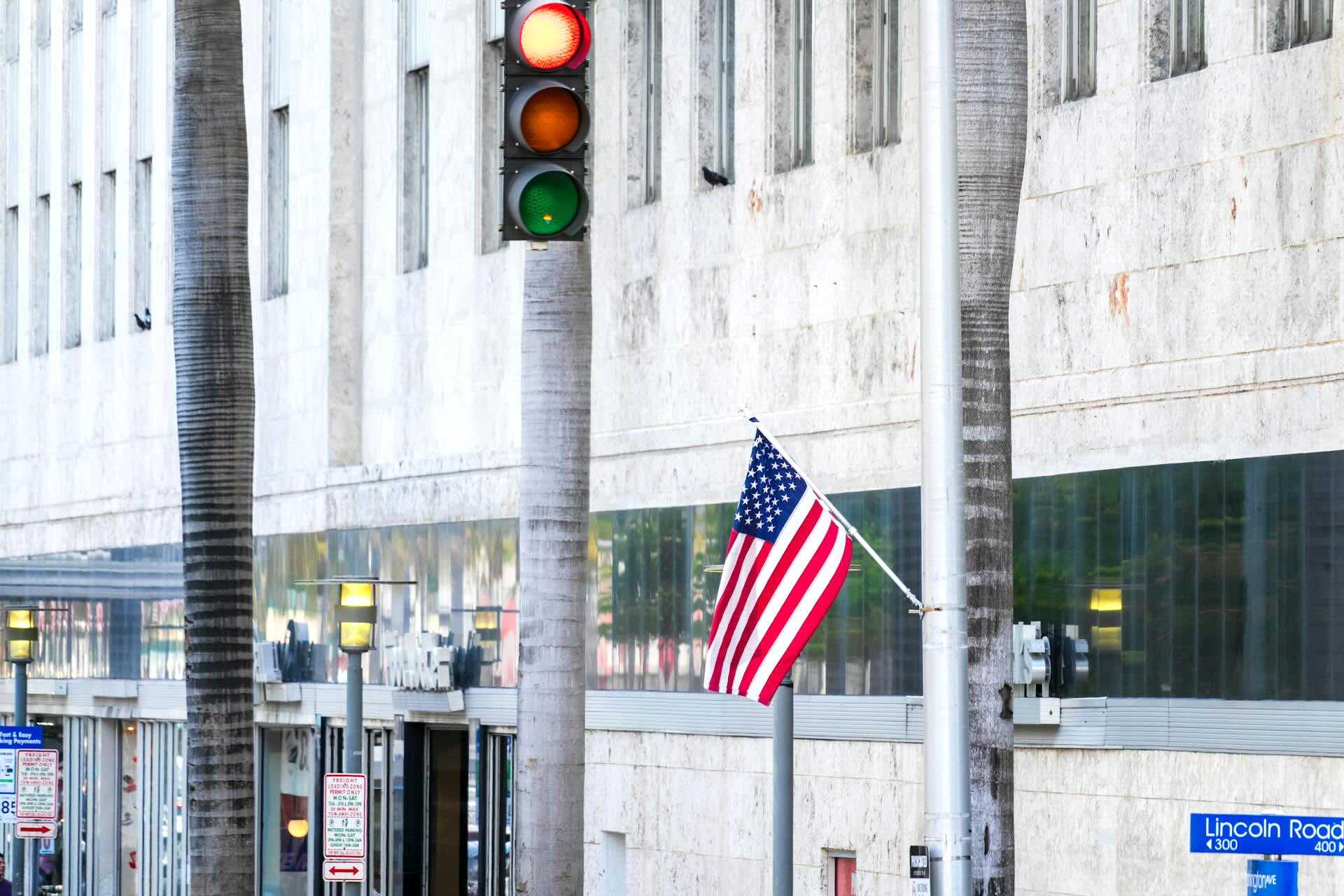
Miami traffic has a reputation, but most frustration comes from misunderstanding how and when congestion actually happens. Visitors who expect constant gridlock often overreact, while those who plan lightly and move intentionally experience the city with far less stress than expected.
Miami traffic is predictable once you understand its patterns. It is driven by timing, geography, and events more than distance. With the right approach, traffic becomes something you work around calmly rather than fight against.
These tips explain how Miami traffic really works and how visitors can move through the city efficiently without letting it dominate the trip.
Understand That Traffic Is Time Based, Not Constant
Miami traffic is not bad all day. It spikes at specific times.
Weekday rush hours usually peak between 7:30 to 9:30 in the morning and 4:30 to 7:00 in the evening. Outside those windows, movement improves significantly.
Midday driving is often smooth. Late evenings are usually easy.
Visitors who avoid peak windows feel like they are in a different city.
Geography Matters More Than Distance
Short distances can take longer than expected if you cross certain corridors at the wrong time.
Causeways connecting Miami Beach to the mainland create natural bottlenecks. Downtown and Brickell see compression during business hours. Event zones spike temporarily.
Moving within one neighborhood is usually easy. Crossing between neighborhoods requires timing.
This is why staying in a walkable area often matters more than being centrally located.
Choose the Right Base and Drive Less
Where you stay shapes how much traffic you experience.
Walkable neighborhoods reduce the need to drive entirely. South of Fifth, Mid Beach, North Beach, Coconut Grove, and Brickell allow daily life to happen on foot.
Many visitors underestimate how often they can avoid driving altogether.
Staying through MAK Vacation makes this easier because properties are selected with walkability and daily livability in mind rather than proximity to highways.
Driving less is the simplest traffic strategy.
Avoid Peak Bridge Times
Bridges and causeways are the most common frustration point for visitors.
Morning and late afternoon crossings are the worst. Midday crossings are usually manageable.
If you plan beach time in the morning, stay on the beach side until lunch. If you plan mainland dining in the evening, cross earlier and stay put.
Avoiding repeated crossings during peak hours dramatically improves the experience.
Use Ride Share Strategically
Ride share works well in Miami when used intentionally.
Short trips within neighborhoods are reliable. Late night rides are often easier than driving. Airport transfers work best outside peak traffic windows.
Long cross city rides during rush hour can be slow and expensive.
If you plan to drink or dine late, ride share reduces both stress and parking concerns.
Parking Takes Planning, Not Luck
Parking varies widely by neighborhood.
Miami Beach parking garages are usually reliable but fill faster during weekends and events. Street parking rules are enforced consistently.
Brickell garages work well but can be confusing without preparation.
Allow extra time for parking in dense areas or choose locations where parking is included.
Many visitors reduce stress by choosing accommodations where parking logistics are handled upfront.
Events Change Everything Temporarily
Major events shift traffic patterns quickly.
Sporting events, concerts, art fairs, and festivals create localized congestion, not citywide chaos.
Traffic spikes around venues and nearby highways, while other areas remain normal.
Knowing where events are happening matters more than avoiding the city entirely.
Time Your Airport Trips Carefully
Airport traffic depends heavily on time of day.
Early morning departures and late evening arrivals usually move smoothly. Afternoon weekday trips can be unpredictable.
Build buffer time into airport runs, especially during peak travel seasons.
Leaving early reduces stress more than trying to time it perfectly.
Midday Is Your Best Friend
If you remember one rule, remember this.
Midday is the best time to move around Miami.
Late morning through early afternoon offers the easiest driving conditions, easier parking, and calmer streets.
Plan sightseeing, neighborhood hopping, and errands during this window whenever possible.
This alone eliminates most traffic frustration.
Use Navigation Apps, but Do Not Obsess
Navigation apps help, but constant rerouting can increase anxiety.
Miami traffic patterns are often stable within time windows. If an app suggests a slightly longer route with fewer turns, it is usually worth it.
Avoid chasing minute by minute optimizations.
Smooth progress matters more than perfect routing.
Combine Activities Geographically
One of the most effective traffic strategies is simple clustering.
Plan mornings, lunches, and afternoons in the same general area. Move once, then walk.
Avoid zigzagging across the city for single activities.
TravelPal.ai helps visitors plan itineraries that group experiences by neighborhood and time of day, reducing unnecessary movement and decision fatigue.
Less movement means less exposure to traffic.
Hotels vs Residential Areas for Traffic
Hotels near nightlife corridors often increase traffic exposure. Lobbies empty at the same time. Valet queues build.
Residential neighborhoods distribute movement more evenly.
Visitors staying in residential style accommodations often notice fewer traffic related disruptions.
This is one reason many travelers prefer a luxury vacation rental over high density hotel zones, especially during busy seasons.
Traffic Is Easier on Longer Stays
Short stays amplify traffic stress because every delay feels costly.
Longer stays allow flexibility. You can wait. You can adjust. You can skip a plan without pressure.
Miami rewards travelers who do not compress everything into fixed windows.
Traffic feels less significant when time feels abundant.
When Traffic Signals Neighborhood Quality
Interestingly, traffic can reveal which neighborhoods function well daily.
Areas that remain calm during peak times often support long term livability.
Some visitors begin noticing this and develop curiosity about extended stays or ownership.
For those exploring that idea, MAK Realty provides insight into neighborhoods that maintain quality of life regardless of traffic cycles.
Traffic becomes information rather than irritation.
The Mental Shift That Helps Most
Miami traffic feels worse when you fight it.
It feels manageable when you expect it, work around it, and move deliberately.
Build buffer time. Avoid peak hours. Stay where you can walk.
The city becomes easier immediately.
What Visitors Get Wrong Most Often
Trying to do too much in one day
Crossing bridges repeatedly during rush hour
Driving for short trips that could be walked
Ignoring event calendars
Treating traffic as constant rather than cyclical
Avoid these mistakes and Miami feels far smoother.
Who Needs These Tips Most
These tips matter most for:
First time visitors
Short stays
Families
Event week travelers
Anyone staying far from daily activities
Experienced visitors often internalize these patterns naturally.
The Bottom Line
Miami traffic is predictable, manageable, and often overstated.
Visitors who understand timing, geography, and neighborhood dynamics experience far less frustration than expected.
With intentional planning, walkable accommodations, and midday movement, traffic becomes a minor consideration rather than a defining challenge.
When you work with Miami’s rhythm instead of against it, getting around feels surprisingly easy.