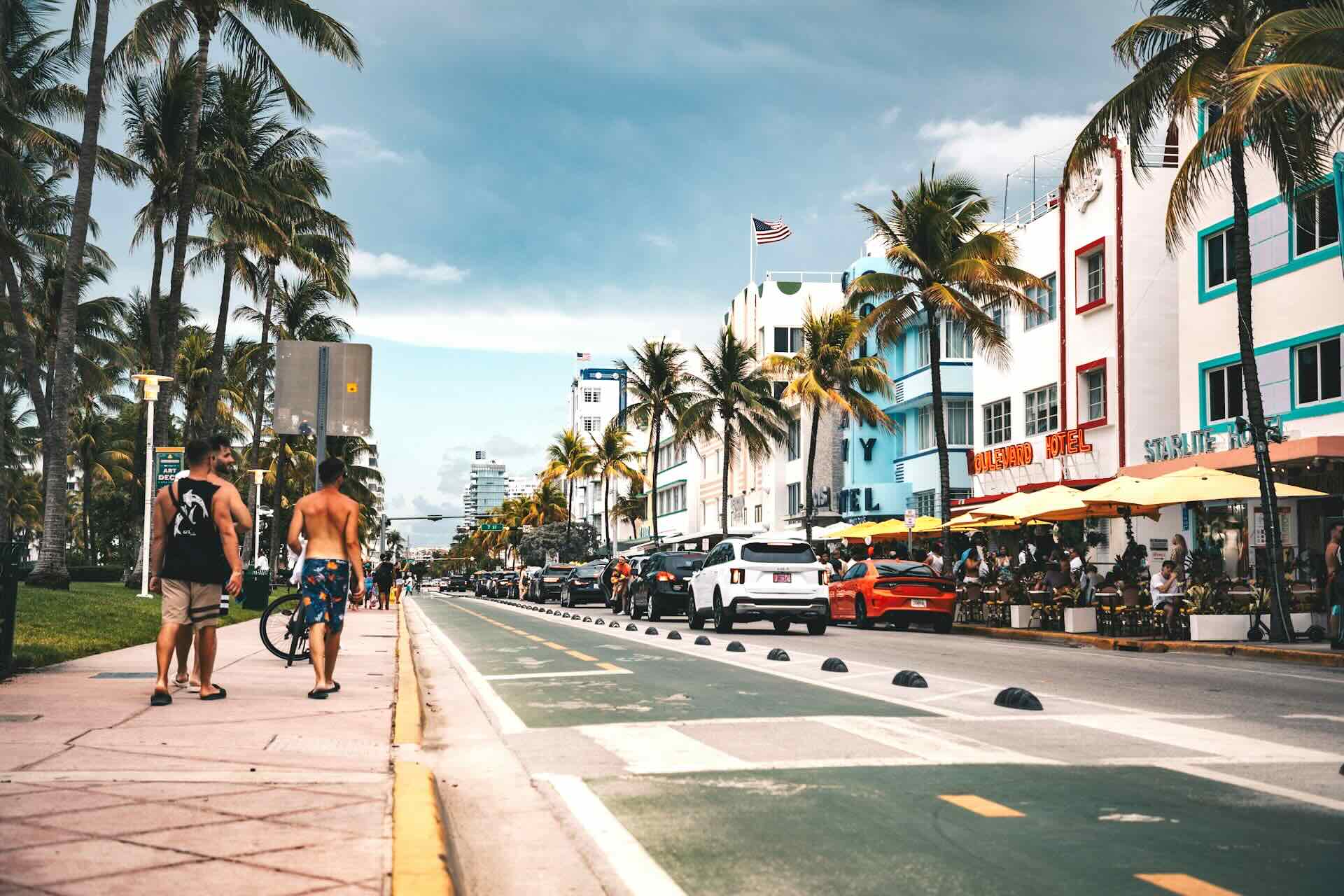
Miami tourism no longer operates on hype alone. The market has matured. Visitor demand now reflects consistency rather than spikes, and that stability matters more than headlines. When tourism holds steady, operators who understand positioning outperform those who rely on volume alone.
For Airbnb owners, especially those operating higher end properties, steady Miami tourism creates opportunity. Predictable demand rewards quality, pricing discipline, and strategic visibility. It also exposes poorly positioned listings faster than before.
This article breaks down what steady tourism really means for Miami Airbnb owners, where returns are coming from, and how to adapt to a market that favors professionalism over speculation.
What Holding Steady Actually Signals
Steady tourism does not mean flat performance. It signals normalization after years of volatility. Miami continues to attract domestic and international travelers, but behavior has shifted.
Guests are staying slightly longer. They are booking with more intention. They expect value alignment rather than discounts. This benefits listings that deliver experience, not just availability.
A stable tourism pace reduces reliance on peak season gambling. Owners can forecast revenue with more confidence, which favors operators who treat short term rentals like businesses rather than side projects.
In practical terms, steady tourism supports sustainable income for well managed properties and accelerates underperformance for poorly optimized ones.
Why This Market Rewards Quality Listings
When demand evens out, competition becomes clearer. Travelers compare listings more carefully. They read reviews closely. They evaluate photos, layout, and neighborhood context.
Luxury adjacent Airbnb properties gain an edge here. Space, privacy, and location matter more than novelty. Guests want consistency and comfort, especially repeat visitors.
This is where presentation and positioning drive returns. Listings that feel intentional attract guests willing to pay for reliability. Those guests also create better reviews, which compounds performance over time.
Steady tourism favors owners who invest in design, upkeep, and guest experience.
Pricing Discipline Becomes Critical
Volatile markets reward aggressive pricing swings. Stable markets punish them.
In Miami, overpricing now leads to longer vacancy periods. Underpricing leaves money on the table without increasing occupancy meaningfully.
Owners who understand their audience perform best. A property designed for couples behaves differently than one targeting families or executives. Pricing must reflect that reality.
Dynamic pricing still matters, but it must operate within a defined strategy. The goal is not to chase bookings. The goal is to attract the right guest consistently.
Steady tourism amplifies the cost of guessing.
Location Matters More Than Ever
As Miami tourism stabilizes, travelers choose neighborhoods deliberately. They are no longer booking blindly near nightlife hubs.
Areas offering calm, walkability, and privacy outperform party driven zones for longer stays. Neighborhoods like Bal Harbour, Surfside, Coconut Grove, and North Bay Road attract guests seeking refined experiences.
For Airbnb owners, this means location quality often outweighs unit size. A well located two bedroom outperforms a larger unit in a compromised area.
Owners considering repositioning should evaluate not just nightly rates, but guest intent tied to neighborhood character.
Experience Drives Repeat Bookings
Steady tourism brings more repeat visitors. These guests remember what worked and avoid what disappointed.
Airbnb owners who deliver smooth check ins, clear communication, and thoughtful touches benefit disproportionately. Small operational upgrades now carry long term value.
This includes concierge style guidance, curated local recommendations, and clear house rules that respect guest privacy.
Properties that feel managed rather than rented convert first time guests into return bookings.
The Role of Professional Platforms
As the market matures, how a property is marketed matters as much as where it is listed. Visibility across the right channels attracts higher intent travelers.
MAK Vacation focuses on premium Miami stays that appeal to guests seeking quality, discretion, and reliability. Properties aligned with this audience tend to outperform generic listings because expectations match delivery.
This approach filters demand rather than chasing it.
For owners, working with platforms that understand luxury positioning often produces stronger returns than relying on mass market exposure alone.
When Airbnb Ownership Turns Into a Larger Strategy
Many Airbnb owners entered the market opportunistically. As tourism stabilizes, ownership decisions become more strategic.
Some owners begin acquiring additional units. Others transition from short term to mixed use strategies. A stable tourism market supports long term planning.
For those considering expanding or repositioning their portfolio, understanding Miami’s residential dynamics becomes important. MAK Realty provides insight into neighborhoods where short term performance aligns with long term value.
This perspective helps owners avoid chasing short term yield at the expense of asset quality.
How Guests Are Planning Differently
Today’s travelers plan smarter. They want efficient itineraries that balance dining, downtime, and experience.
Tools like TravelPal.ai support this shift. Guests arrive with clearer expectations and tighter schedules. That behavior favors properties that integrate seamlessly into their plans.
Airbnb owners benefit when guests feel organized rather than overwhelmed. Clear arrival instructions, local timing advice, and proximity to key attractions all contribute.
When guests enjoy their rhythm, reviews reflect it.
Why Steady Tourism Favors Professional Operators
In fast growth markets, mistakes hide. In stable markets, they surface.
Owners who rely on outdated photos, slow response times, or inconsistent pricing feel the impact quickly. Meanwhile, operators who invest in systems gain market share quietly.
Steady tourism rewards:
Consistent guest experience
Clear positioning
Strong neighborhood alignment
Operational discipline
This shift favors owners willing to treat their Airbnb as a hospitality product.
Using Steady Demand to Improve Returns
Steady tourism creates space to refine rather than react. Owners can test pricing strategies, adjust minimum stays, and refine guest targeting without panic.
It also supports upgrading furnishings, photography, and amenities because ROI becomes more predictable.
In this environment, improving returns often comes from refinement rather than expansion.
The Bigger Picture for Miami Airbnb Owners
Miami continues to attract global interest. What has changed is how success is achieved.
Steady tourism does not lower opportunity. It raises the bar. Owners who align with guest expectations, neighborhood appeal, and professional management continue to perform well.
Those who rely on luck or legacy listings fall behind.
For Airbnb owners willing to adapt, this market remains rewarding.
Turning Stability Into Advantage
Predictable demand allows thoughtful growth. It encourages smarter pricing. It rewards quality. Owners who want to increase returns should focus less on volume and more on positioning.
That shift defines the next phase of Miami short term rentals. Reach out to MAK Vacation and ask how we can help drive higher returns.