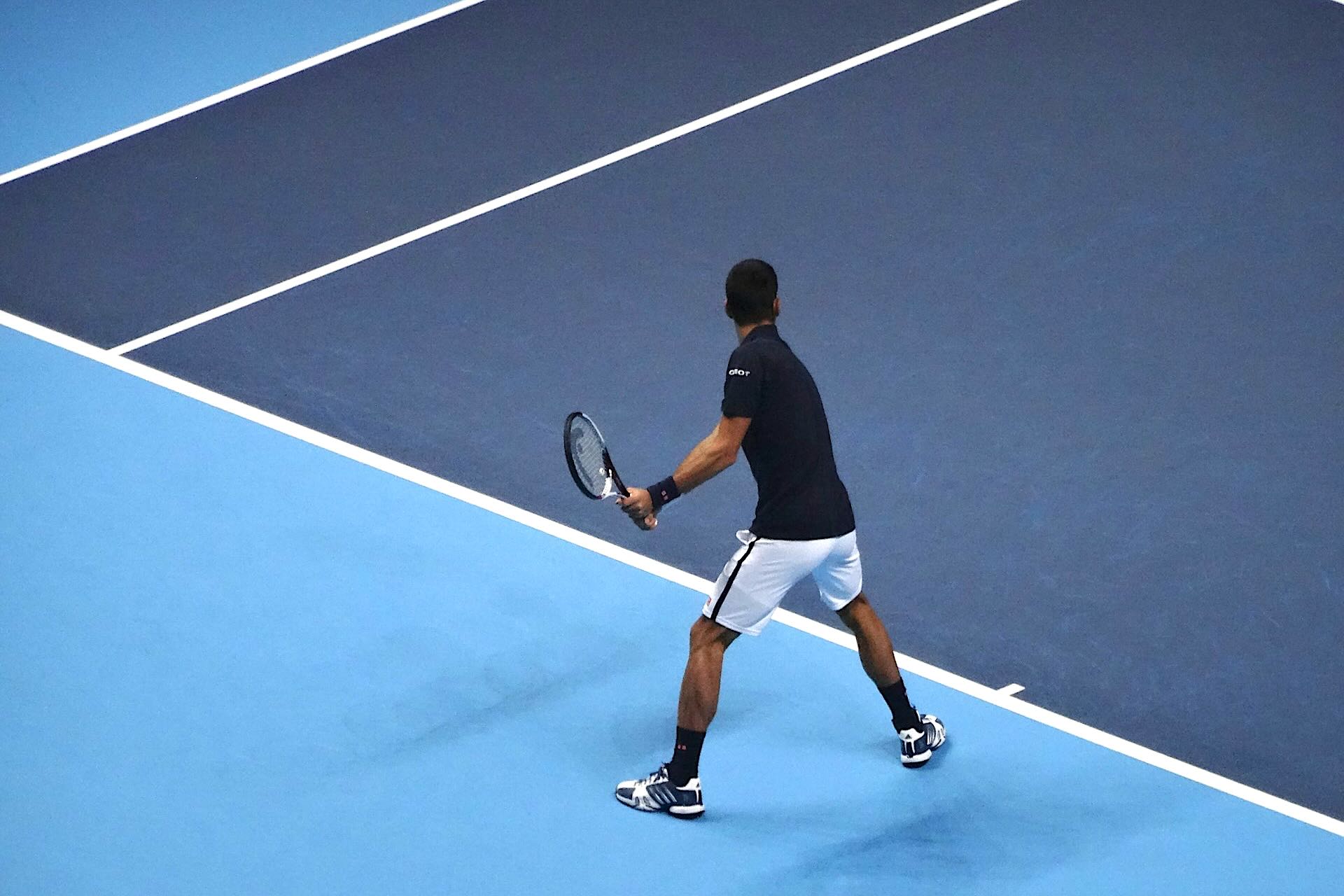
Major sporting events change Miami’s rhythm fast. Formula One weekends, championship games, international soccer matches, and global tournaments bring an influx of visitors, media, and temporary infrastructure. The city does not shut down, but it does shift. Travelers who understand these shifts enjoy the energy without absorbing the friction.
Planning around major sporting events in Miami is less about avoiding them and more about positioning yourself correctly. With the right neighborhood, accommodation, and pacing, Miami remains enjoyable, accessible, and often more exciting during these periods.
This is how Miami actually behaves during major sporting events and how to plan your trip intelligently around them.
How Sporting Events Affect the City
Major events concentrate pressure in specific zones. Traffic increases near venues. Hotels closest to event hubs fill quickly. Restaurants in nearby corridors book out earlier.
Outside those zones, daily life continues with relatively little disruption. Miami is large and decentralized. Event impact is localized rather than citywide.
Travelers who assume the entire city becomes chaotic often overcorrect. The reality is more nuanced.
Understanding Event Geography Matters Most
Where the event takes place determines almost everything.
Events at Hard Rock Stadium primarily affect areas north of Miami and specific highway routes. Miami Beach sees minimal direct impact beyond increased overall demand.
Events in Downtown or near Miami Beach concentrate pressure more tightly, especially on access roads and nearby hotels.
Formula One weekends create temporary traffic patterns near the track but leave many residential neighborhoods untouched.
Knowing the event footprint allows you to plan around it rather than through it.
Neighborhoods That Stay Calm During Events
Certain areas consistently perform well during major events.
South of Fifth remains composed due to limited access points and residential character. Mid Beach benefits from space and distance from nightlife corridors. North Beach stays largely unaffected and feels local. Coconut Grove remains insulated due to its layout and community focus.
These neighborhoods allow travelers to enjoy Miami without constantly encountering event traffic or crowds.
Choosing the right base solves most problems before they appear.
When to Arrive and Depart
Arrival and departure timing becomes more important during event weeks.
Arriving one day before major events begin reduces friction. Leaving one day after events end often avoids peak congestion.
Midday arrivals perform better than late afternoon during event weekends. Early morning departures face fewer traffic variables.
Small timing adjustments can dramatically improve the experience.
Dining During Event Weeks
Dining behavior changes during major events, but not uniformly.
Restaurants near venues or popular nightlife areas book out quickly and may shift menus or pacing. Neighborhood restaurants farther away operate normally.
Early dinners remain the most reliable option. Lunch tends to be unaffected.
Staying near strong local dining scenes reduces dependency on event driven areas.
Dining becomes manageable when it is part of your neighborhood rather than part of the event.
Beaches and Daytime Activities
Beaches are rarely impacted by sporting events in a meaningful way.
Miami Beach remains open and usable, especially outside central South Beach. Mid Beach and North Beach feel largely unchanged.
Daytime activities like walking, swimming, and outdoor dining proceed normally.
For travelers not attending events, daytime Miami often feels calmer than expected.
Transportation Strategy Is Key
Driving requires more planning during event weeks. Traffic spikes occur predictably near venues and along specific highways.
Ride share works well when used strategically. Short trips within neighborhoods remain reliable. Long cross city rides during peak hours feel less predictable.
Public transit helps in certain corridors but requires familiarity.
Choosing walkable neighborhoods reduces reliance on transportation entirely, which becomes the simplest solution.
Why Accommodation Choice Matters More Than Ever
Major events magnify accommodation differences.
Hotels near venues fill early, raise rates, and experience higher noise and turnover. Lobbies feel crowded. Service stretches thinner.
A well chosen luxury vacation rental offers separation. Space, privacy, and residential location insulate you from event intensity.
Returning home feels calm even when the city is busy.
For travelers seeking refined comfort with flexibility during high demand periods, a luxury vacation rental provides control that hotels often cannot.
How Curated Stays Protect the Experience
Not all properties handle high demand equally.
MAK Vacation curates premium Miami stays selected for livability, sound control, and neighborhood quality. This becomes especially important during major events when the city absorbs temporary volume.
The focus is on properties that allow guests to opt in or opt out of event energy at will.
That flexibility defines a successful stay.
Attending the Event Without Sacrificing the Trip
Travelers attending events still benefit from strategic planning.
Stay outside the immediate event zone. Use ride share at off peak times. Build buffer into schedules.
This approach allows you to enjoy the event without letting it dominate the entire trip.
Many seasoned visitors attend events while staying in calmer neighborhoods for this reason.
Planning Without Overplanning
Major event weeks punish rigid itineraries.
Build anchor plans around the event itself. Keep the rest flexible.
Leave mornings open. Avoid stacking reservations across the city. Expect some variability.
TravelPal.ai helps travelers plan around major events by factoring in congestion windows, neighborhood flow, and pacing. Planning becomes adaptive rather than fixed.
This is especially valuable for first time event visitors.
Pricing and Value Considerations
Event weeks increase pricing unevenly.
Areas closest to venues see the biggest spikes. Residential neighborhoods see more moderate changes.
Longer stays often benefit from better value outside event corridors.
Understanding pricing geography helps travelers avoid paying premiums without added benefit.
When Events Add to the Experience
Major sporting events bring energy, international visitors, and cultural momentum to Miami.
Restaurants feel lively. The city buzzes. Conversations expand.
For many travelers, this added dimension enhances the trip as long as it remains optional rather than unavoidable.
The goal is controlled exposure.
For Travelers Considering Longer Term Interest
Some visitors experience Miami during major events and notice which neighborhoods remain stable under pressure.
This reveals long term livability.
For those exploring repeat visits or ownership, MAK Realty provides insight into neighborhoods that perform consistently regardless of event cycles.
Events can be a stress test for lifestyle fit.
Who Should Plan Around Events Most Carefully
Careful planning matters most for:
Short stays
Families
Travelers with fixed schedules
Those not attending the event
Travelers attending the event may accept more disruption in exchange for proximity.
The Right Mindset
Major sporting events do not take over Miami. They briefly overlay it.
Understanding that difference prevents unnecessary avoidance or stress.
Miami remains Miami. You simply choose how close you stand to the spotlight.
The Bottom Line
Miami during major sporting events requires intention, not avoidance. With smart neighborhood selection, the right accommodation, and flexible planning, travelers can enjoy the city fully while navigating event energy smoothly.
Events bring excitement. Planning brings balance.
When done correctly, Miami during major sporting events feels dynamic without feeling overwhelming.