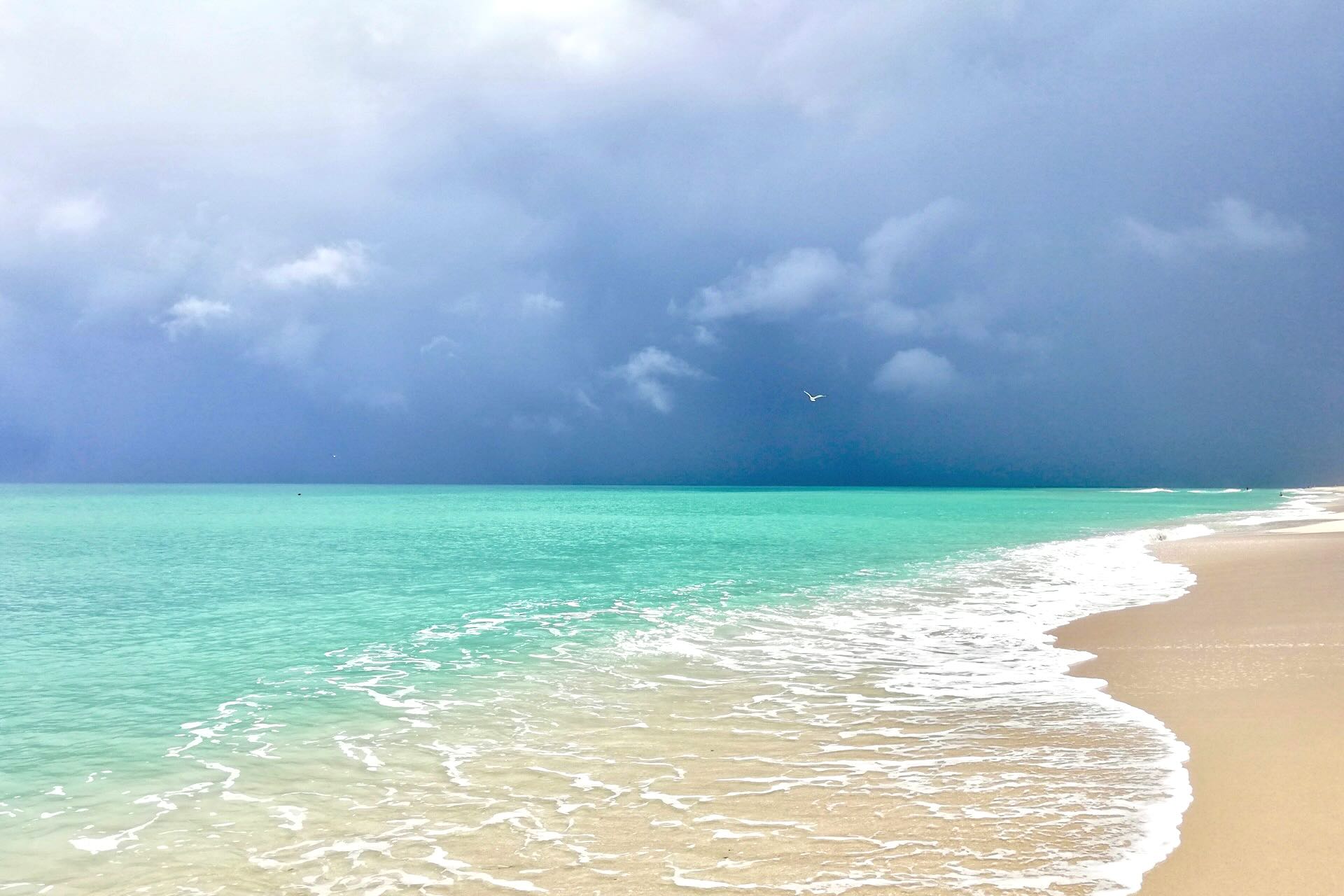
Hurricane season often sounds more intimidating than it is. For travelers considering Miami between June and November, understanding how the city actually functions during this period makes all the difference. Miami is not new to storms. Infrastructure, planning, and daily life are built around them. The result is a destination that remains very workable when approached with realistic expectations.
This guide explains what hurricane season in Miami really looks like, what risks are overstated, what precautions actually matter, and how travelers can plan confidently without unnecessary anxiety.
What Hurricane Season Means in Reality
Hurricane season officially runs from June through November, with peak activity typically between August and October. This does not mean Miami experiences constant storms.
Most days during hurricane season look like normal summer days. Warm mornings, scattered afternoon showers, and calm evenings define the routine.
Actual hurricanes impacting Miami directly are rare. Tropical systems are more common, and many pass with limited disruption.
Understanding probability versus possibility helps ground expectations.
How Miami Is Built to Handle Storms
Miami’s infrastructure reflects decades of storm experience. Buildings are designed for wind resistance. Drainage systems manage heavy rain. Power restoration protocols are well practiced.
Hotels, residential buildings, and transportation systems have established procedures. When storms approach, preparation happens early.
This preparedness reduces chaos and shortens recovery time.
For travelers, this means disruptions tend to be managed rather than improvised.
What Usually Changes for Travelers
The most common impacts during hurricane season are not dramatic. They are logistical.
Flights may adjust schedules. Outdoor activities may pause briefly. Beaches may close temporarily as a precaution.
These changes are usually short lived. Miami resumes normal operations quickly after storms pass.
Travelers who build flexibility into plans experience minimal frustration.
Weather Patterns You Should Expect
Outside of named storms, Miami weather during hurricane season follows a predictable pattern.
Mornings are often clear and bright. Afternoon rain showers arrive briefly, cool the air, and move on. Evenings reopen.
These showers are rarely day long events. Planning activities earlier in the day reduces impact.
Heat and humidity are more noticeable, but manageable with pacing.
Why Many Travelers Still Choose This Season
Hurricane season coincides with Miami’s off season, which brings advantages.
Crowds thin out. Dining reservations open up. Beaches feel less congested.
Pricing softens across accommodations, including high end properties. Value improves noticeably for longer stays.
Travelers who prioritize space, flexibility, and calm often prefer this period.
Where You Stay Matters More During This Time
Choosing the right accommodation becomes especially important during hurricane season.
Properties with good building standards, reliable management, and safe locations reduce stress.
A well selected luxury vacation rental provides space, privacy, and comfort during weather fluctuations. If a storm day arrives, staying in feels easy rather than confining.
Avoid older buildings or poorly managed properties that may struggle with outages or maintenance.
Why Curated Stays Matter
Not all properties handle weather equally.
MAK Vacation curates premium Miami stays selected for construction quality, management standards, and livability. This matters more during hurricane season when reliability counts.
The focus is on properties that support comfort and peace of mind, not just location.
For travelers seeking refined comfort and flexibility during this season, choosing a luxury vacation rental allows you to adapt without sacrificing quality.
How to Think About Travel Insurance
Travel insurance becomes more relevant during hurricane season, but it should be chosen thoughtfully.
Policies that cover weather related disruptions, flight changes, and accommodations provide reassurance.
Many airlines and hotels also offer flexible policies during this period.
The goal is coverage, not fear driven planning.
What to Do If a Storm Is Forecast
When a named storm appears in forecasts, Miami responds early.
Airlines communicate changes. Local authorities provide clear guidance. Hotels and property managers contact guests.
Travelers should monitor official updates, not social media speculation.
Most storms change course. Overreacting often causes more disruption than waiting for accurate information.
How Locals Approach Hurricane Season
Miami residents live normally through most of hurricane season.
Preparation replaces panic. Supplies are stocked early. Schedules adjust lightly.
This calm approach reflects experience, not denial.
Travelers benefit by adopting the same mindset.
Planning Strategies That Reduce Risk
Smart planning minimizes stress.
Choose refundable flights when possible. Avoid stacking too many outdoor activities on one day. Schedule flexibility into the itinerary.
TravelPal.ai helps travelers plan trips with weather awareness, backup options, and realistic pacing. This allows plans to adjust without unraveling.
Good planning protects enjoyment rather than limiting it.
When It Makes Sense to Reconsider Travel
There are moments when postponing travel is reasonable.
If a major hurricane is forecast to impact Miami directly during your stay window, airlines and accommodations typically offer rebooking options.
These decisions are usually clear several days in advance.
The key is waiting for confirmed forecasts rather than reacting to early speculation.
Hurricane Season Myths That Cause Unnecessary Fear
Several misconceptions persist.
Miami does not experience constant hurricanes. Storms do not last for weeks. The city does not shut down for the entire season.
Most of hurricane season looks like normal Miami summer.
Understanding this removes unnecessary anxiety.
Why Some Travelers Prefer This Window
Experienced Miami travelers often return during hurricane season intentionally.
They enjoy lighter crowds, better value, and a calmer city.
They understand the rhythm and plan accordingly.
For them, the benefits outweigh the manageable risks.
Long Stays and Seasonal Living
Some travelers spend extended time in Miami during hurricane season and report positive experiences.
Routine replaces tourism. Neighborhood familiarity grows. Weather becomes background rather than focus.
For those exploring longer stays or eventual ownership, MAK Realty provides insight into neighborhoods that perform well year round and maintain value regardless of season.
Hurricane season rarely deters long term interest.
The Real Risk, Overplanning
The biggest mistake travelers make during hurricane season is overplanning rigid itineraries.
Flexibility is the advantage. Build light structure. Leave room for adjustment.
Miami rewards travelers who adapt rather than resist.
The Bottom Line
Hurricane season in Miami is far less disruptive than many assume. With realistic expectations, good accommodations, and flexible planning, travel during this period can be rewarding.
Fewer crowds, better value, and calmer energy define the experience more than storms.
Miami is built for this season. Travelers who understand that enjoy the city without unnecessary stress.