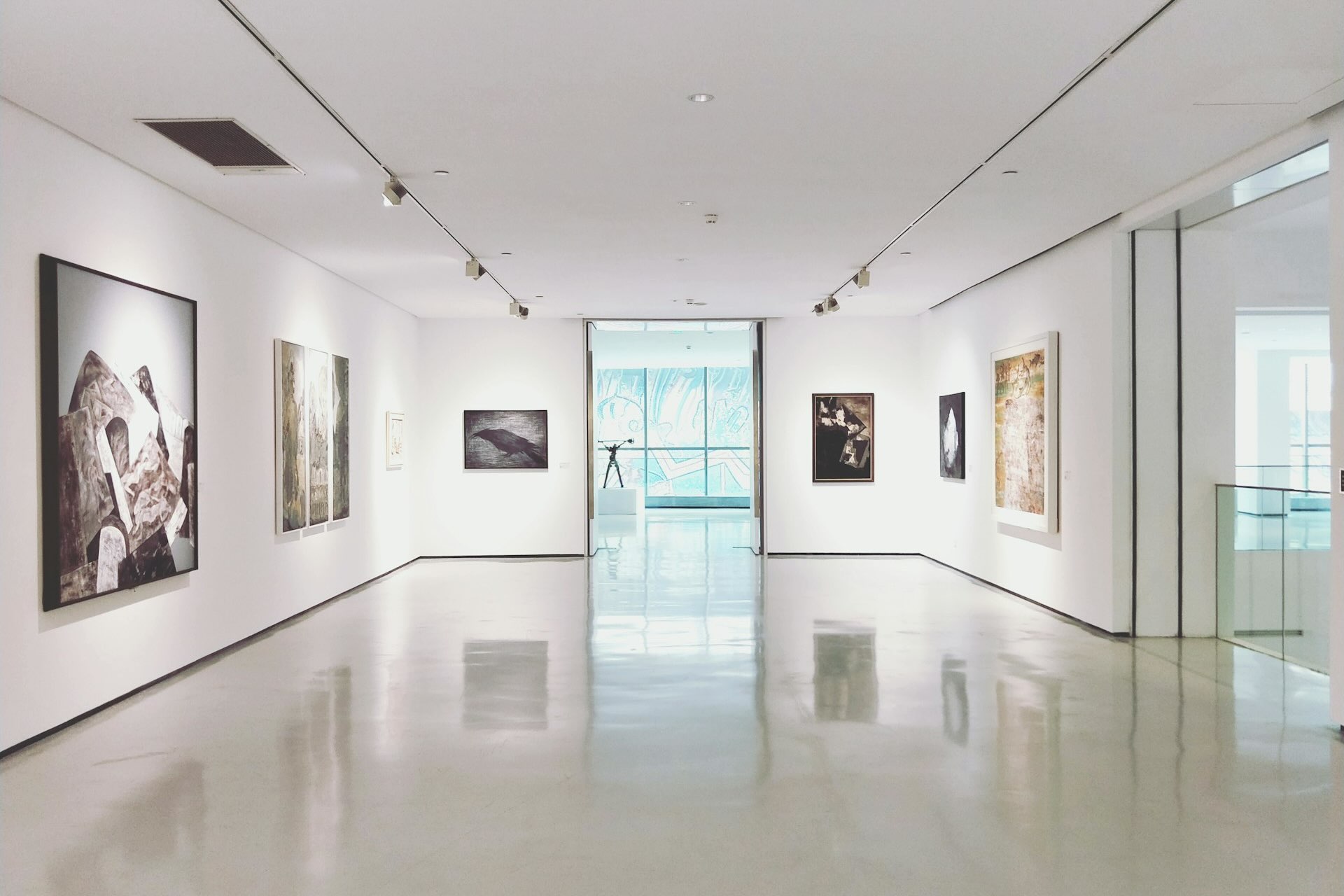
Miami art and culture identity extends far beyond one week in December.
Art Basel may draw global headlines, but the city’s creative pulse runs year round.
Collectors, curators, and culturally curious travelers return because Miami sustains momentum long after the fairs close.
The scene is layered, international, and deeply neighborhood driven.
This guide explores where art and culture live in Miami beyond Art Basel.
It highlights institutions, galleries, architecture, and creative districts that define the city every month of the year.
Pérez Art Museum Miami, Waterfront Perspective
Pérez Art Museum Miami anchors the city’s contemporary art conversation.
Its waterfront setting creates an immersive cultural experience before you even step inside.
The museum focuses on international modern and contemporary work.
Latin American and Caribbean artists receive meaningful representation.
Rotating exhibitions ensure repeat visits feel fresh.
The permanent collection continues expanding thoughtfully.
The outdoor sculpture garden adds another dimension.
Biscayne Bay becomes part of the experience.
PAMM proves Miami’s art scene does not rely on seasonal hype.
Institutional depth matters.
The Bass, Contemporary Focus in Miami Beach
The Bass provides a more intimate contemporary art setting.
Its exhibitions often challenge assumptions and push conceptual boundaries.
The scale feels curated rather than overwhelming.
Visitors can engage deeply with fewer works.
Programming includes talks and installations that activate the space.
Community engagement remains central.
The building itself blends historic and modern architecture.
Design supports the art rather than distracting from it.
The Bass offers intellectual rigor without pretension.
It rewards thoughtful visitors.
Institute of Contemporary Art Miami, Design District Influence
The Institute of Contemporary Art Miami strengthens the Design District’s cultural credibility.
Admission remains free, which broadens access.
Exhibitions lean experimental and forward thinking.
Emerging artists often debut ambitious projects here.
The building’s geometry reflects its contemporary mission.
Outdoor sculpture gardens expand the experience.
Its proximity to luxury retail creates an interesting contrast.
Commerce and culture coexist visibly.
ICA Miami reinforces that serious art thrives year round.
Seasonality does not define it.
Wynwood Beyond the Murals
Wynwood’s street art became globally recognizable years ago.
The neighborhood has since evolved.
Murals still dominate first impressions.
Galleries and private collections deepen the narrative.
Smaller spaces showcase emerging artists regularly.
Exhibitions rotate faster than in major institutions.
Warehouse conversions support experimental programming.
Industrial architecture enhances atmosphere.
Wynwood works best when explored slowly.
Surface impressions rarely tell the full story.
The area rewards curiosity.
It changes frequently.
The Rubell Museum, Private Collection Impact
The Rubell Museum represents one of the country’s most significant private collections.
Its scale surprises first time visitors.
Works span decades of contemporary art.
Many artists gained early recognition through the Rubell family’s support.
The warehouse setting maintains Miami’s industrial aesthetic.
Large installations feel properly housed.
Programming extends beyond exhibition.
Artist talks and events keep engagement active.
Private collectors play a serious role in Miami’s art ecosystem.
The Rubell Museum exemplifies that influence.
Coral Gables and Historic Architecture
Art in Miami includes architecture.
Coral Gables offers Mediterranean revival buildings and curated landscapes.
The city’s planning emphasizes proportion and symmetry.
Visual harmony becomes cultural expression.
Small galleries operate quietly within the area.
Design studios contribute to creative identity.
Walking through Coral Gables feels different from beachside neighborhoods.
Cultural texture shifts subtly.
Architecture shapes experience as much as paintings do.
This broader view matters.
Little Havana, Living Cultural Expression
Little Havana represents living culture rather than gallery culture.
Art emerges through music, food, and daily ritual.
Calle Ocho hosts festivals and performances regularly.
Murals tell community stories.
Cigar rolling demonstrations reflect heritage craftsmanship.
Salsa rhythms spill into the street.
This neighborhood shows culture as participation.
It feels active rather than curated.
Visitors seeking authenticity find it here.
Engagement requires presence.
North Beach and Alternative Spaces
North Beach supports quieter creative initiatives.
Community driven art events appear more frequently.
Small galleries experiment without heavy commercial pressure.
Residency programs bring international artists.
The environment feels local.
Tourist volume remains lower.
This area rewards patience.
Discovery feels earned.
Miami’s creative map continues expanding north.
Growth spreads gradually.
Performing Arts and Music
Art in Miami extends into performance.
The Adrienne Arsht Center anchors opera, ballet, and theater.
New World Symphony integrates classical music with innovative presentation.
Outdoor wall projections create public engagement.
Jazz clubs and Latin music venues sustain nightlife culture.
Performance feels embedded in identity.
Music crosses neighborhoods effortlessly.
Sound becomes cultural glue.
The city balances high art with street rhythm.
That balance defines Miami.
Film and Independent Cinema
Independent cinemas curate international film selections.
Miami Film Festival strengthens global connections.
Documentaries, Latin American films, and experimental pieces receive platform space.
Audiences engage critically.
Outdoor screenings occur seasonally.
Weather supports open air programming.
Film culture deepens intellectual diversity.
It complements visual art.
Public Art and Everyday Experience
Public art installations appear across Miami.
Sculptures anchor plazas and waterfront parks.
Developers increasingly commission large scale works.
Luxury and art intersect visibly.
Walking through Brickell or Edgewater often reveals unexpected installations.
Urban space becomes gallery space.
This integration reinforces art as daily presence.
It is not confined to museums.
Culinary Culture as Creative Expression
Miami’s culinary scene reflects its multicultural identity.
Food acts as cultural storytelling.
Chefs incorporate Caribbean, Latin American, and Mediterranean influences.
Presentation often mirrors visual art.
Dining rooms feel curated.
Design matters.
Culinary experiences complement gallery visits.
Cultural immersion becomes multi sensory.
Art in Miami rarely exists in isolation.
It blends with lifestyle.
Why Miami’s Art Scene Persists Year Round
Miami’s climate supports outdoor programming.
Events occur consistently.
International residents bring global perspective.
Diversity fuels innovation.
Collectors maintain residences here permanently.
Art investment remains active.
The absence of a single defining season strengthens resilience.
Momentum sustains.
Art Basel amplifies existing infrastructure.
It does not create it.
Choosing Where to Stay for Cultural Access
Proximity influences experience.
Walkability matters.
Staying near Design District or Wynwood enhances immersion.
Beach proximity adds balance.
Many cultural travelers prioritize refined accommodations close to galleries.
Location supports spontaneity.
MAK Vacation helps visitors select properties aligned with cultural exploration goals.
Neighborhood choice shapes itinerary flow.
Planning ahead reduces friction.
Access increases engagement.
TravelPal.ai helps structure art focused itineraries efficiently.
Time becomes optimized.
Thoughtful planning enhances depth.
Surface visits rarely satisfy.
The Bottom Line
Miami’s art and culture scene thrives beyond Art Basel.
Institutions, private collections, architecture, and neighborhoods sustain energy year round.
The city blends global influence with local identity.
Creativity appears in museums, streets, and performance spaces.
Visitors who look beyond December discover a richer narrative.
Miami rewards curiosity.
Art here is not seasonal spectacle.
It is structural.