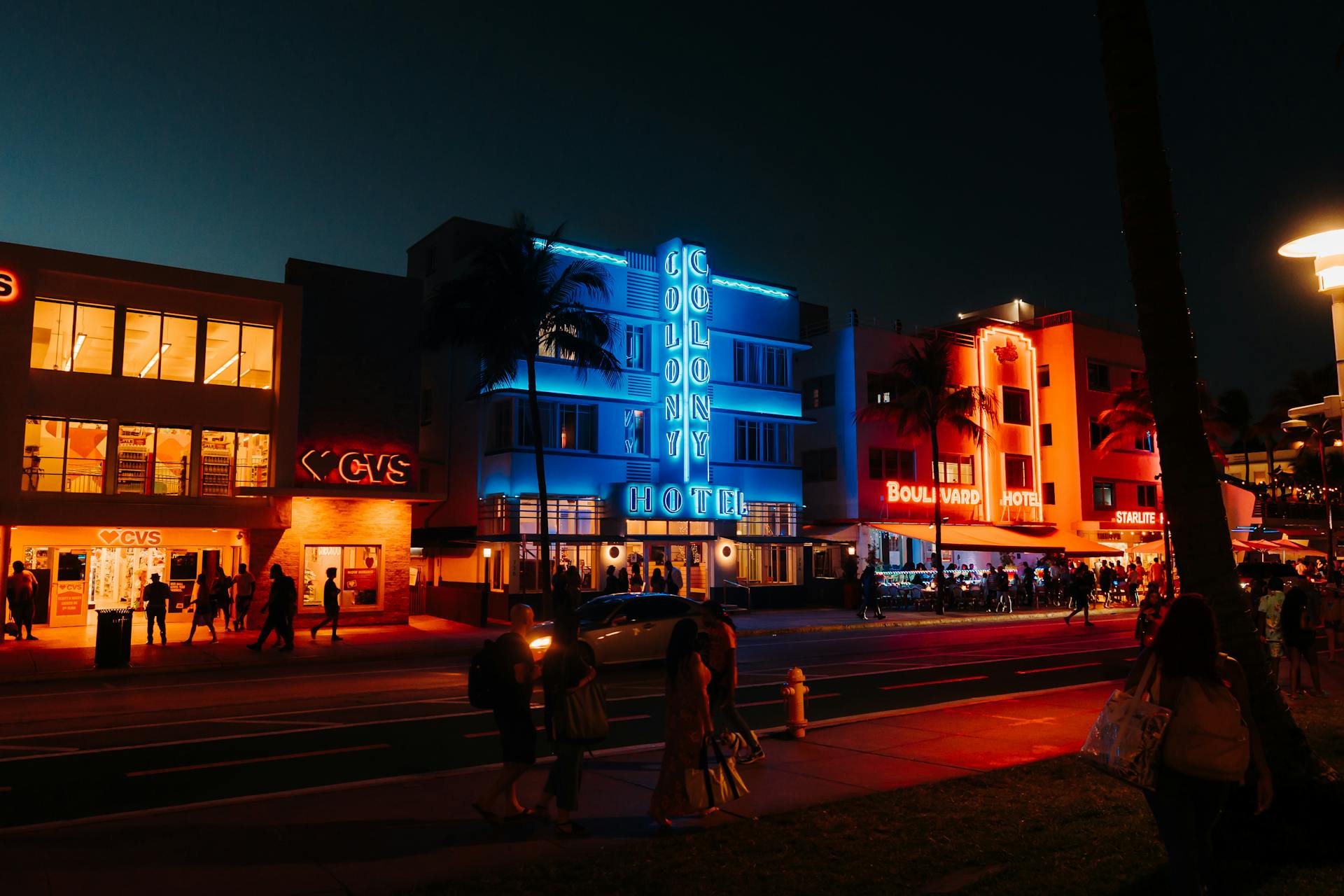
Miami often gets labeled as a car city, but that description misses how travelers actually experience it. The truth is more nuanced. Miami is not uniformly a walkable city, but it offers several highly walkable neighborhoods that work extremely well for visitors. When travelers choose the right base, walking becomes the primary way to move through daily life.
Understanding where Miami is walkable and how to plan around those areas determines whether the city feels effortless or frustrating. For travelers who value ease, rhythm, and spontaneity, Miami can feel surprisingly walkable.
This is what travelers should know before deciding whether Miami works on foot.
Miami Is Walkable by Neighborhood, Not Citywide
Miami is not a single continuous walking environment. It functions as a collection of neighborhoods, each with its own scale and rhythm.
Some areas support walking naturally. Others require a car for almost everything.
Travelers who judge Miami as a whole often miss this distinction. Those who choose a walkable neighborhood experience a very different city than those who do not.
The key is not asking whether Miami is walkable, but where.
Neighborhoods That Work Well on Foot
Several Miami neighborhoods consistently support walkable travel.
South of Fifth offers short blocks, beach access, dining, and daily services within easy reach. Mid Beach provides longer walking paths, open space, and calmer streets. North Beach feels residential, local, and easy to navigate. Brickell offers dense walkability with restaurants, groceries, and waterfront paths close together. Coconut Grove provides shaded streets, village scale, and marina access.
In these areas, travelers can walk to coffee, meals, beaches, parks, and evening plans without planning transportation.
That daily ease defines the experience.
Why Walkability Matters More on Vacation
Walkability changes how a trip feels.
When walking replaces driving, days become more flexible. You leave when you are ready and return when you want. You adjust plans without stress.
Travelers notice that walking reduces mental load. There are fewer decisions, fewer logistics, and fewer interruptions.
In Miami, where weather and scenery encourage being outside, walkability amplifies enjoyment.
Walking Feels Different Than Driving in Miami
Driving in Miami requires timing. Walking does not.
On foot, the city feels calmer and more intuitive. You notice light, water, architecture, and daily life rather than traffic patterns.
Walking also allows travelers to avoid the most common frustrations, bridge congestion, parking searches, and peak hour delays.
For many visitors, walking becomes the preferred way to experience Miami once they realize how much is nearby.
The Role of Climate in Walkability
Miami’s climate supports walking most of the year, especially in the morning and evening.
Mornings feel comfortable and inviting. Evenings cool down enough for long walks and outdoor dining.
Midday heat can be intense, but that often encourages a natural rhythm, walk early, rest midday, walk again later.
Travelers who follow this pattern find walking sustainable rather than exhausting.
Beaches and Waterfront Paths Support Walking
Miami’s beaches and bayfront paths function as extended sidewalks.
Morning walks along the water are common. These routes feel safe, scenic, and restorative.
Mid Beach and North Beach offer especially long, uninterrupted walking paths that feel removed from traffic.
This access turns walking into a daily ritual rather than a chore.
Dining and Errands Are Often Close Together
In walkable neighborhoods, dining and errands cluster naturally.
Grocery stores, cafes, pharmacies, and restaurants sit within a few blocks of each other. This allows travelers to live normally without planning trips around logistics.
You can step out for coffee, decide on lunch, and walk home without committing to a route.
This fluidity is one of the strongest benefits of choosing the right area.
Where Miami Is Not Walkable
Some parts of Miami do not work well on foot.
Suburban areas, spread out commercial zones, and certain inland neighborhoods require driving for basic needs.
Staying in these areas often leads visitors to conclude Miami is not walkable.
The city itself is not the issue. Location choice is.
How Accommodation Choice Affects Walkability
Where you stay determines how walkable Miami feels.
Staying in a walkable neighborhood but choosing a poorly positioned building can still add friction.
Proximity to daily needs, street layout, and noise matter.
This is why many travelers choose curated stays through MAK Vacation, where properties are selected based on neighborhood livability and walkability rather than just square footage or views.
The right base allows walking to become the default.
Brickell vs Beach for Walking
Brickell offers dense, urban walkability. Everything feels close and efficient. Walking here feels energetic and purposeful.
Beach neighborhoods offer slower, more scenic walking. Routes include sand, boardwalks, and quiet streets.
Both work well, but they create different moods.
Travelers should choose based on how they want their days to feel.
Public Transit and Ride Share as Backup
Even in walkable areas, occasional rides are useful.
Ride share works well for longer trips or late nights. Public transit supports certain corridors but is not necessary for daily movement in walkable zones.
Most travelers who stay in the right area find they use rides far less than expected.
Walking handles most needs.
Walkability Improves Safety Perception
Walkable neighborhoods feel safer for travelers.
There are more people out. Streets feel active. Businesses stay open later.
This visibility increases comfort, especially for solo travelers.
Walking becomes confidence building rather than anxiety inducing.
Walkability Supports Slower Travel
When you walk, you naturally slow down.
You notice details and pause. You sit and you return.
Miami’s walkable neighborhoods support this slower pace well.
Travelers often realize they do less but enjoy more.
This shift is one of Miami’s strongest advantages.
Planning a Walkable Miami Trip
To plan a walkable trip, start with location.
Choose a neighborhood where daily needs cluster. Stay close to water or parks. Avoid areas that require bridge crossings for simple outings.
TravelPal.ai helps travelers plan Miami trips by identifying walkable bases and clustering activities geographically, reducing unnecessary movement.
Planning becomes about minimizing friction rather than maximizing distance.
Walkability and Longer Stays
Walkability matters even more on longer trips.
Walking routines form quickly. Favorite routes repeat. The city feels familiar rather than overwhelming.
Many travelers who stay longer begin imagining seasonal living or extended visits.
For those exploring that idea, MAK Realty offers insight into neighborhoods that balance walkability with long term livability and value.
Walkability often sparks that curiosity.
Who Miami Works Best for on Foot
Miami works best for travelers who:
Choose walkable neighborhoods
Enjoy outdoor movement
Prefer flexibility over rigid schedules
Value dining and daily life nearby
Travelers who plan to move across the city constantly may find driving unavoidable.
The Bottom Line
Miami is a walkable city for travelers who choose the right neighborhood.
It is not walkable everywhere, but where it works, it works extremely well.
With intentional location choice, walking becomes the easiest and most enjoyable way to experience Miami.
For travelers who value ease, rhythm, and presence, Miami on foot feels surprisingly natural.