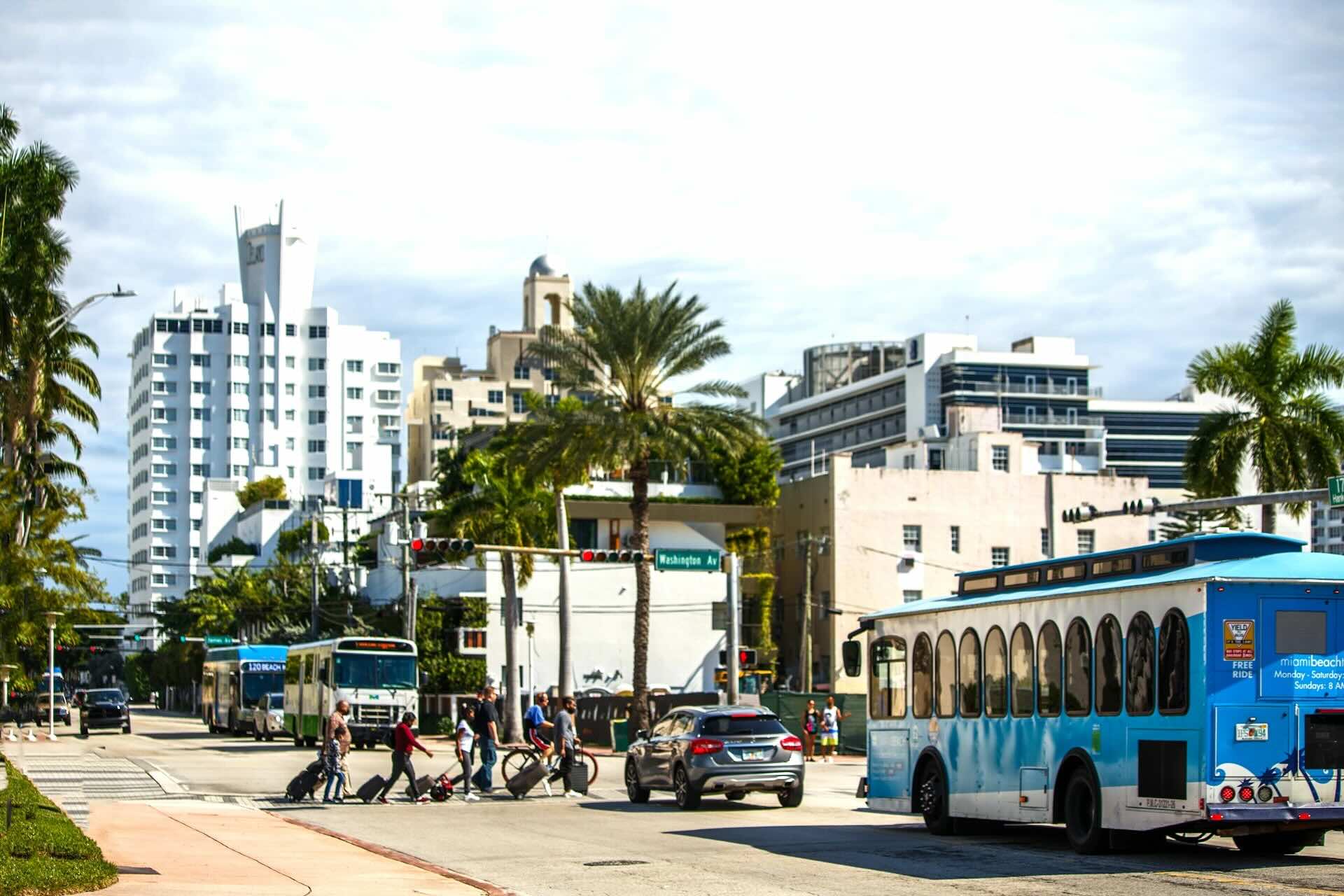
Renting a car in Miami is common, but it is not always necessary. For many travelers, skipping a car actually improves the experience. Less traffic, fewer decisions, and more presence change how the city feels day to day. When neighborhoods, accommodations, and planning align, Miami becomes surprisingly easy to navigate without driving.
This guide explains how to get around Miami without renting a car, which areas support this approach best, and what actually works in practice. The goal is not to eliminate movement, but to reduce friction.
Why Not Renting a Car Often Makes Sense
Miami traffic can be unpredictable. Parking adds cost and stress. Driving shifts focus away from the experience and toward logistics.
Travelers who stay in walkable neighborhoods often realize they use a car far less than expected. Short rides replace long drives. Walking replaces planning. Downtime increases.
Skipping a rental car also changes pacing. Days feel less compressed. Evenings feel calmer. The city becomes more approachable.
For many travelers, not renting a car is less about saving money and more about protecting energy.
Neighborhood Choice Is Everything
Getting around Miami without a car only works if you choose the right base. Some areas support walking naturally. Others require driving for almost everything.
Neighborhoods that consistently work well without a car include:
South of Fifth for compact walkability and dining
Mid Beach for beach access and predictable routines
North Beach for residential living and calm streets
Coconut Grove for village style movement and shade
Brickell Key for controlled access and short distances
In these areas, daily needs sit within walking range. Coffee, dining, recreation, and rest connect without constant transitions.
This choice matters more than transportation options themselves.
Walking Is the Primary Tool
Walking does most of the work in the right neighborhoods. Miami’s flat terrain supports movement, especially near the coast.
Boardwalks, shaded streets, and waterfront paths create natural walking routes. Short distances feel manageable. Walking becomes part of the experience rather than a chore.
Morning and evening walks feel best due to temperature and light. Midday movement works when paired with shade and breaks.
Travelers who rely on walking tend to explore more organically and feel less rushed.
Ride Share Fills the Gaps
Uber and Lyft function reliably across Miami. Short trips between neighborhoods feel simple and predictable.
Ride share works especially well for:
Dinner reservations outside walking range
Airport transfers
Evening outings when walking feels less appealing
Costs remain reasonable for short distances, especially compared to daily car rentals and parking fees.
Using ride share selectively keeps movement intentional rather than constant.
Public Transit, Useful but Limited
Miami offers buses, Metrorail, and Metromover. These systems work best in specific contexts.
The Metromover serves Brickell and Downtown efficiently. It is free and reliable for short urban trips.
Metrorail connects the airport to central Miami and works for planned travel rather than spontaneity.
Buses cover wide areas but require timing awareness and patience.
Public transit supports car free travel when combined with walking and ride share, not as a standalone solution.
Biking and Scooters as Supplements
Bike rentals and scooters offer flexibility for short distances. Boardwalks and protected paths support biking, especially in Miami Beach.
Scooters work well for quick errands or casual exploration. They reduce reliance on ride share for short trips.
Travelers should remain mindful of heat and hydration. These options work best during mornings and evenings.
Used selectively, biking and scooters add freedom without complexity.
How Dining Influences Transportation
Dining plans often determine how much transportation you need. Clustering meals within walking distance simplifies days.
Choosing neighborhoods with strong local dining scenes reduces the need for constant movement. South of Fifth, Coconut Grove, and North Beach excel here.
Long lunches and early dinners work well without cars. Late night dining often requires ride share.
Travelers who plan dining intentionally find they rarely miss having a car.
Accommodations That Support Car Free Travel
Layout and location matter. Properties that sit within walking distance of dining, beaches, and daily needs reduce transportation dependency.
A well chosen luxury vacation rental supports this lifestyle. Space allows rest between outings. Kitchens reduce the need for constant dining travel.
Travelers who choose residential style stays move less but experience more.
For guests seeking iconic refinement paired with walkability, a FontaineBleau Penthouse offers access to dining, beach, and amenities without daily driving.
Booking With Location in Mind
Not all booking platforms emphasize walkability. Some prioritize volume over livability.
MAK Vacation curates premium Miami stays in neighborhoods that support walking and easy movement. The focus remains on properties that reduce friction rather than create it.
This approach allows travelers to enjoy Miami without constantly planning transportation.
When Car Free Travel Changes the Trip
Travelers often notice a shift after a few days without a car. Stress drops. Decisions simplify. Presence increases.
Days revolve around proximity rather than efficiency. Even missed plans feel less disruptive.
This shift supports longer stays and deeper enjoyment.
Miami rewards travelers who move less but choose better.
Planning to Stay Flexible
Car free travel works best with light planning. Secure key reservations. Leave space elsewhere.
TravelPal.ai helps travelers design itineraries that cluster activities geographically and respect pacing. Planning becomes a support system rather than a constraint.
Smart planning reduces unnecessary movement and preserves energy.
Airport Transfers Without a Rental Car
Miami International Airport connects well to ride share and public transit. Ride share offers the easiest option for most travelers.
Metrorail provides a budget friendly alternative to central Miami. Transfers may require planning but remain manageable.
Skipping a rental car at the airport immediately sets a calmer tone.
Who Car Free Miami Works Best For
Getting around Miami without a car works especially well for:
Couples seeking relaxed travel
Families staying in walkable neighborhoods
Longer stays with local routines
Travelers prioritizing leisure over sightseeing
Guests who plan to explore distant suburbs daily may prefer a car.
When Visitors Consider Staying Longer
Experiencing Miami without a car often reveals how livable certain neighborhoods feel. Familiar routes form. Favorite cafes repeat.
This familiarity sparks deeper interest for some travelers.
For those exploring longer stays or ownership, MAK Realty provides insight into neighborhoods that support walkability and long term value.
Movement patterns often reveal lifestyle preferences.
The Trade Offs to Expect
Car free travel requires intention. Some destinations remain inconvenient. Spontaneity across long distances decreases.
However, these trade offs often feel minor compared to reduced stress and increased presence.
Most travelers find they adapt quickly.
The Bottom Line
Getting around Miami without renting a car is not only possible, it is often preferable. The key lies in choosing the right neighborhood, accommodation, and planning approach.
Walking, ride share, and selective transit replace daily driving. Days feel lighter. Decisions feel fewer.
When location and planning align, Miami becomes easier rather than harder.
The city rewards travelers who move intentionally and stay present.